Romance On A Ramen Budget: The Sub-70-Taka Dhaka Date That Outclasses A $60 American Dinner
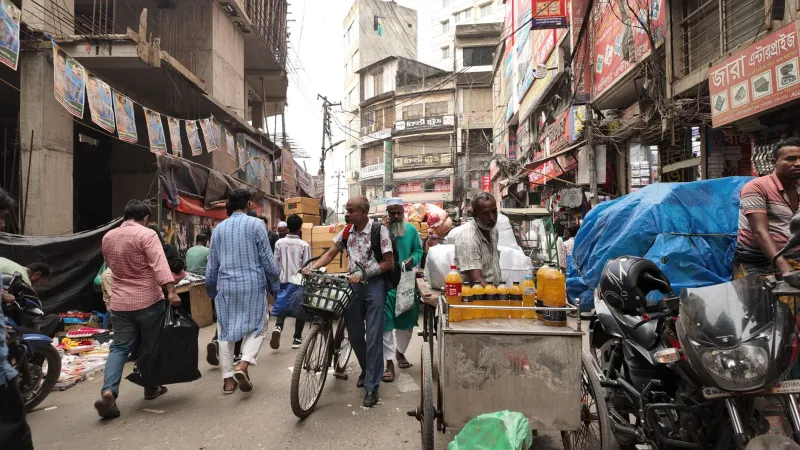
Let me start with a confession: I once spent $94 on a dinner date in Chicago. The salmon was fine. The conversation was strained because I kept doing mental math about the salmon. Compare that to last Thursday, when I took my crush out for a full evening in Dhaka — snacks, drinks, a boat ride, dessert — and spent 63 taka total. That's roughly 54 cents. Less than a Coke from a US vending machine. And unlike the salmon night, she texted me first the next morning.
Here's the playbook, so you can steal it.
Stop 1: The Fuchka Cart (30 Taka For Two Rounds)
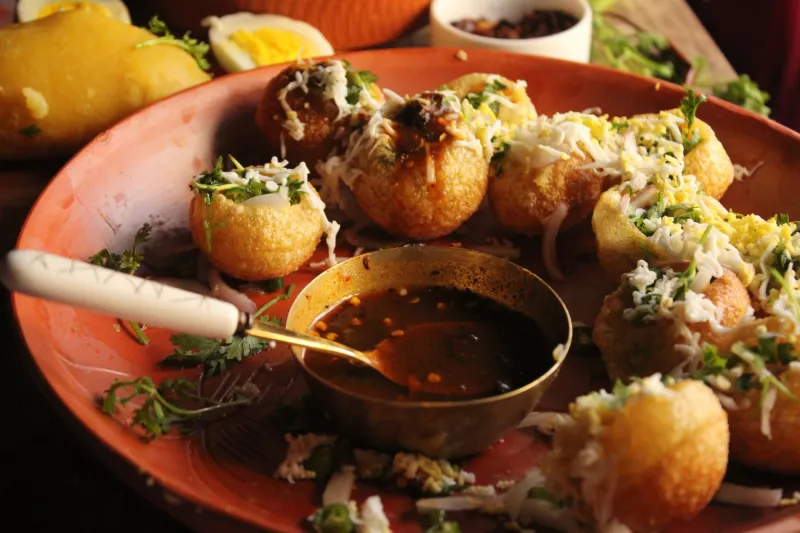
Every great Dhaka love story has a fuchka scene, and there's a reason. Nothing breaks the ice like watching someone attempt to eat a crispy hollow sphere of tamarind water without dignity collapsing. It's the great equalizer. I've seen CEOs and rickshaw pullers alike defeated by a poorly timed bite.
Find a busy cart near any university gate or park entrance — the crowd tells you the tamarind water is fresh and the potatoes are spiced that day. One plate of fuchka runs 10-15 taka. Order two plates, one for each of you. Sharing the spicy water from the same bucket is basically second base in Dhaka dating culture. Don't quote me on that.
For my American friends: imagine if a first date cost the same as a packet of gum, and the gum was interactive, delicious, and came with built-in small talk. That's fuchka.
Stop 2: The Tea Stall Session (20 Taka)
After the fuchka, you need a debrief venue, and Dhaka's answer is the tea stall — a roadside operation with plastic stools, a kettle that has seen things, and milk tea (cha) for 8-10 taka a cup.
This is where the actual romance happens. Tea stalls are the anti-restaurant. There's no menu pressure, no waiter hovering, no silent candlelit void. There's noise, gossip, the sound of the kettle, and an ambient excuse to sit close on a bench built for one and a half people. Two cups: 20 taka. If you're feeling like a big spender, add a biscuit packet for 5 more.
The average American dinner date now runs north of $60, per basically every dating-cost survey. That's 120 cups of tea. You could date someone for four months of tea stalls before matching one Olive Garden evening.
Stop 3: The Boat Ride (10 Taka)
Here's the move that separates the amateurs from the professionals. At Dhanmondi Lake or Hatirjheel, paddle boats and short ferry rides cost pocket change — around 10 taka per head for the basic options. You get water, a breeze, city lights reflecting on the surface, and a legitimate reason to sit across from someone while both of you pretend not to be nervous.
I cannot overstate the value-to-romance ratio here. In the US, a 'romantic boat ride' involves a $75 sunset cruise with lukewarm prosecco. In Dhaka, it's 10 taka and the prosecco is whatever your date is drinking out of a clay cup afterward.
Stop 4: The Dessert Flex (3-8 Taka)
End on mishti. A single roshogolla from a decent sweet shop runs 10-15 taka, but if you hunt around older neighborhoods, you'll find chomchom or small sandesh for less. One sweet, split in half, is a move so classically charming it should be illegal. Total for two modest sweets: around 20 taka. My actual spend came in under budget because the sweet shop uncle took pity on my clearly nervous energy and threw in a third one free. Bless him.
The Grand Total
Fuchka: 30 taka. Tea: 20 taka. Boat: 10 taka. Sweets: 20 taka (minus uncle's charity). Depending on your haggling luck, you're landing between 60 and 80 taka — call it one US dollar, generously.
Now, is this a humblebrag about how cheap Dhaka is? A little. But the real point isn't the price — it's that the cheapness forces the good stuff. No restaurant noise drowning out conversation. No bill arriving like a tax audit. Just walking, eating, sitting, talking. The things dates were supposedly about before we invented $94 salmon.
So if you're visiting Dhaka and want to impress someone, skip the fancy hotel restaurant. Find a fuchka cart. Bring 70 taka. Bring your best stories. The exchange rate will do the rest.