Ten Taka, Zero Awkwardness: The American's Cheat Sheet to Tipping at Dhaka's Street Carts

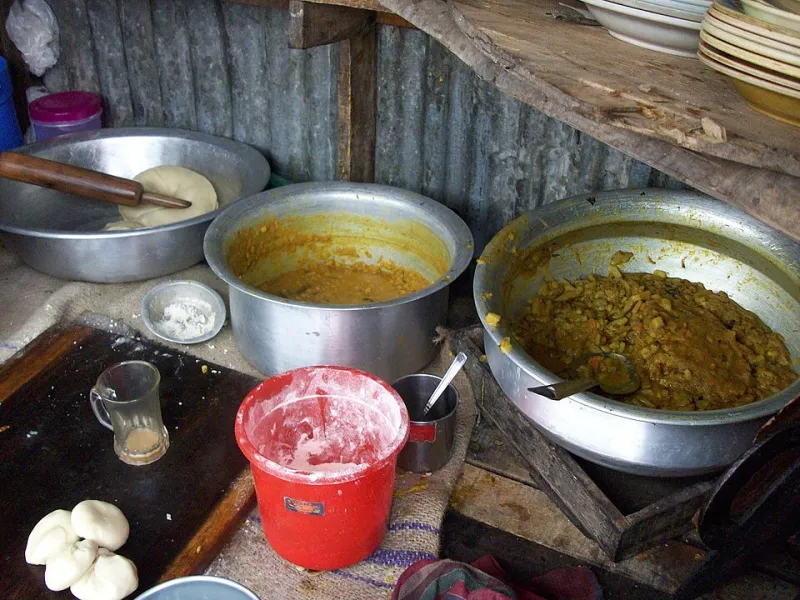
Photo: Nayeemibnmatiur, CC BY-SA 4.0, via Wikimedia Commons
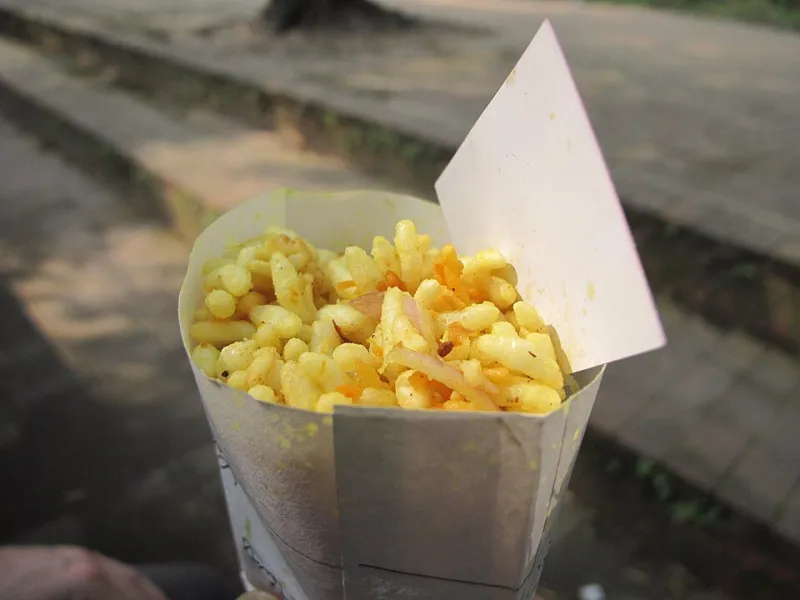
There's a moment every American tourist in Dhaka knows intimately. You've finished your jhalmuri. It was excellent. The vendor is wiping down his cart. Your fingers hover over a fold of taka notes, and your brain — calibrated by years of 18% here, 20% there, tip the barista, tip the Uber driver, tip the guy who tipped you — simply crashes.
Do you tip at a street cart? How much? Will you look generous, ridiculous, or — worse — like you don't know the rules?
I've eaten my way through enough of Dhaka's sub-70-taka scene to give you a straight answer. Consider this your field guide.
The Core Truth: A Tip Here Is Not a Percentage
In the US, tipping is arithmetic. In Dhaka's street food economy, it's a gesture. Nobody at a 40-taka fuchka stand is calculating 15% of anything. There's no tablet screen spinning around asking if you'd like to add a gratuity for the touchscreen.
Instead, tipping at street food prices works like this: you round up, or you add a small note, and the meaning of that note is wildly disproportionate to its size.
Hand a New York food cart vendor an extra dollar and it's nice. Hand a Dhaka vendor an extra 10 taka — about 8 cents — after a 40-taka order, and you've just boosted his take by 25%. That's not pocket change. That's a raise.
When to Tip (and When to Just Say Thanks)
Tip when:
- The vendor customized your order — extra chili, less mustard oil, a level of spice tolerance you explained with panicked hand gestures
- You're a repeat customer, even if "repeat" means twice in one week
- It's late, it's hot, it's raining, and the cart is still open
- Someone carried your plate to a bench, refilled your water, or fanned you while you sweated through a chotpoti
Skip the tip when:
- It's a fixed-price spot where someone's uncle runs the register and the cousin runs the fryer — a warm "khub bhalo!" (very good!) lands just fine
- You're paying via mobile wallet and fumbling for cash would turn a 30-second transaction into a five-minute production
- The line behind you is nine deep. Speed is a form of respect too.
How Much? The 70 Taka Bites Cheat Sheet
- Jhalmuri or chanachur (20–40 taka): Round up to the next 10, or add 5–10 taka. Simple, natural, never weird.
- Fuchka or chotpoti plates (40–70 taka): 10 taka extra is the sweet spot. It reads as "I'll be back," not "I'm confused."
- Chai and snacks (10–25 taka): Honestly, tipping your chai guy 5 taka daily will get you remembered forever. Vendors remember faces; you want to be the face that gets the freshest pour.
- Sit-down tea stalls with tables: If there's table service, 10–20 taka left on the tray is gracious.
Total damage for a week of generous tipping: maybe 100 taka. Less than one American tip line item.
What Vendors Actually Say About It
I asked around — a fuchka wallah near TSC, a puri cart in Old Dhaka, a muri seller who's worked the same corner for two decades. Their answers were remarkably consistent.
None of them expect tips. The price is the price. But when someone adds a little extra, especially a foreigner who clearly knows the local rhythm, it lands as something bigger than money. Several said the same thing in different words: it means the customer saw them. Not the cart, not the transaction — the person.
One vendor put it best: "The tourists who tip 10 taka understand. The ones who tip 100 don't understand anything yet."
So no, do not tip like you're at a Manhattan cocktail bar. Over-tipping at street food prices doesn't just look odd — it can flatten the very exchange that makes it meaningful.
The Math That Should Break Your American Brain
Here's the part I need you to sit with. A 10-taka tip is roughly eight US cents. Eight. Cents. And yet in the micro-economy of a street cart, it carries the emotional payload of a $10 tip at a diner — maybe more, because nobody here has built an entire guilt-industrial complex around it.
The exchange rate of gratitude in Dhaka is absurdly favorable. It might be the best deal in the entire country, which is saying something on a website named after a 70-taka meal.
The Traveler's One-Line Rule
If you remember nothing else: round up, add small, tip the regulars, and never make a show of it. Toss the extra note on the tray like it's nothing, because here — gloriously, beautifully — it almost is.
Now go order the fuchka. Order the extra-spicy one. And when your mouth is on fire and your wallet still weighs almost exactly what it did when you landed, you'll understand why we write about this city's food the way we do.
Eight cents. Full circle. Full stomach.