Loose Change, Full Stomach: The Day My Friend Dave Tipped 70 Taka and Accidentally Bought Dinner
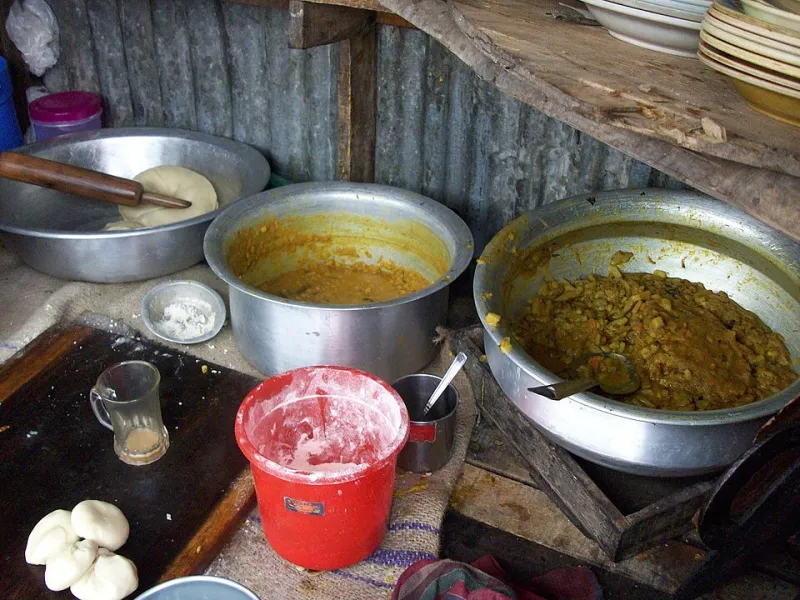
Photo: David Brewer from Brookmans Park, England, CC BY-SA 2.0, via Wikimedia Commons
Dave is from Ohio. Dave is a generous guy. Dave is also, as of his first night in Dhaka, a man who accidentally bought a fuchka vendor's entire evening with what he genuinely believed was a tip.
It went like this: we stopped at a chotpoti cart in Dhanmondi, Dave ordered, ate, and — operating on pure American instinct — dropped a 70-taka note on the counter as a gratuity on top of his 60-taka bill. The vendor stared at him. Dave stared back. I did the math out loud: "Dave, you just tipped $1.30 on a 70-cent meal. That's not a tip. That's a second dinner you're not going to eat."
He sat down on the little plastic stool and didn't say anything for a while. Then: "So what does money mean here?"
Buddy, that's the whole article.
The Mental Wallet Problem
Every human being sorts money into invisible folders. In America, the folders look something like: rent money, grocery money, and whatever's in the cupholder. That cupholder money — the $5, the crumpled singles, the toll-booth change — lives in a psychological category I'd describe as "morally weightless." It's not that it has no value. It's that we've stopped feeling its value.
Then Dave landed in a country where the cupholder folder contains, roughly, a week of snacks.
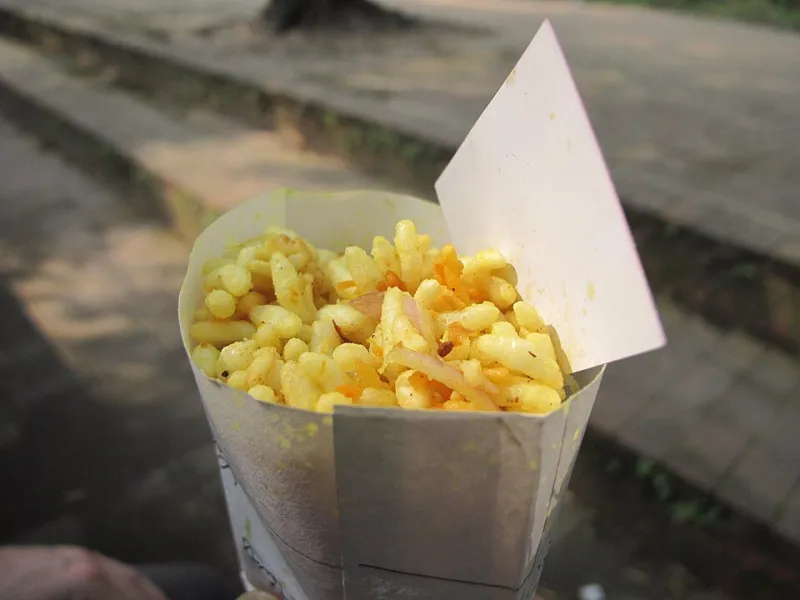
Seventy taka is about 58 American cents at recent exchange rates. Let that marinate. Not "feels like" 58 cents — is 58 cents. And for that sum in Dhaka you can secure a plate of fuchka with all the fixings, a generous cone of jhalmuri, a glass of borhani, or — if you know which cart, and Dave now knows which cart because I told him — a beef-stuffed mughlai paratha situation that will rearrange your afternoon.
The whiplash isn't the exchange rate. It's the folder reassignment. Dave's brain kept filing 70 taka under "ignore," because 70 of anything sounds like coins at the bottom of a backpack. Meanwhile, that number was quietly purchasing the best meal of his trip.
Why 70 Taka Is the Magic Number
There's something almost folkloric about the 70-taka price point in Dhaka street food. It sits in a sweet spot: high enough that vendors can use real ingredients, low enough that a student with a day-old note in his pocket eats like royalty. Ask five cart owners why they charge what they charge and you'll hear the same logic — "this is what people can pay without thinking."
That's the profound part. In America, a $12 lunch requires a moment of deliberation. A 70-taka dinner requires no deliberation at all. It's priced below the decision threshold. Nobody in Dhaka stands at a jhalmuri cart doing mental budgeting. They just eat. The price has been engineered — through decades of competition, density, and hustle — to disappear from the stress column entirely.
American readers, when did you last eat a meal that cost less than the mental effort of choosing it?
Dave's Three-Day Currency Recalibration
Day one, Dave over-tipped everything and made several vendors' weeks. Day two, he swung too hard the other way and started converting every price into dollars out loud, which is a rookie move — it makes food feel cheap instead of good, and cheap reads as suspicious to the American brain. By day three, he'd landed on the correct setting: he stopped converting and started paying attention to what things cost relative to other things. One mughlai paratha equals two fuchka plates. One ride across town equals five jhalmuri cones. That's when Dhaka's price logic clicked, and honestly, it's the same math locals run every day — just in a currency that hasn't been inflated into abstraction.
What 58 Cents Knows That $15 Doesn't
Here's the part Dave still brings up on the phone. Back home, his standard workday lunch runs $14 to $18, plus tip, plus the parking meter, plus the vibe of mild regret. In Dhaka, the 70-taka plate comes with a vendor who remembers his order, a bench shared with strangers who become acquaintances, and zero transactional sadness. The food isn't a loss-leader for an experience. It is the experience, priced so anyone can have it daily.
We're not saying you should move to Dhaka for the lunch economics. (We're a little saying that.) We're saying the folders in your wallet are arbitrary, and once in a while it's worth opening the cupholder folder and asking what it could buy somewhere else. Dave's answer: dinner, a tip that scandalized a vendor, and a permanent suspicion of every $16 salad.
Small money, big lesson. Bring cash, lose the conversion app, and when in doubt — order the second plate. You can afford it. That's kind of the whole point.