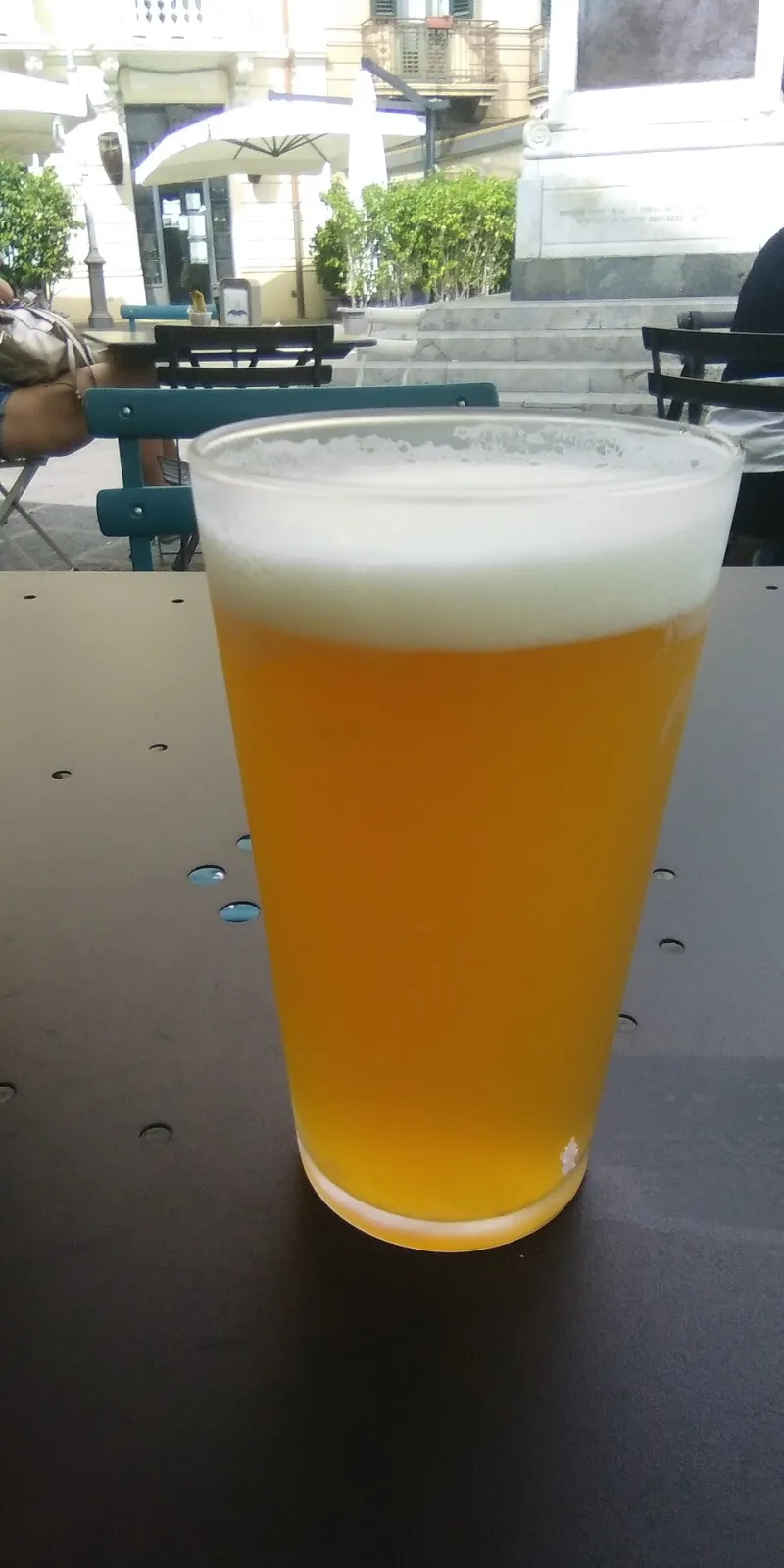
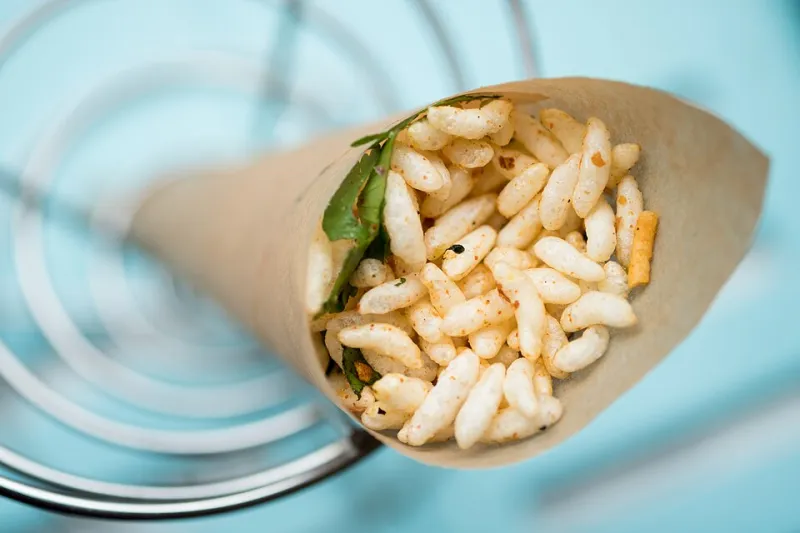
The $9 Starbucks Breakfast I Broke Up With Over a 70-Taka Singara

Photo by Photo by Emon Hossain on Unsplash on Unsplash
The breakup started with a receipt
I have a bad habit: I audit breakfast like a mid-level compliance officer. On a recent morning I paid $9.17 for a Starbucks breakfast sandwich and a latte, then spent the rest of the day feeling like I had been charged a convenience fee for my own personality. The next morning, in Dhaka, I ate chai, a singara, and dal puri for 70 taka — about 60 cents — and felt like I had won a small legal settlement.
This is not a nutrition study. It is a side-by-side taste, cost, and energy test. One breakfast was designed by a corporation with a drive-thru and a loyalty app. The other was designed by a man named Rahim, a giant pot, and the laws of thermodynamics.
The price breakdown
| Item | Dhaka cart | US Starbucks |
|---|---|---|
| Chai | 15-20 taka | $4.50 latte |
| Singara | 10-15 taka | $5.25 sandwich |
| Dal puri | 20-25 taka | — |
| Total | 45-60 taka (under 70) | $9.75-ish |
At 70 taka, the Dhaka breakfast is roughly one-fifteenth of the Starbucks run. But the sticker price is only half the story. The Starbucks breakfast comes with a receipt, a rewards account, and a vague sense of being marketed to before 8 a.m. The Dhaka breakfast comes with a bench, a newspaper, and a vendor who remembers you take less sugar.
The taste test
The Starbucks sandwich is fine. The egg is pillowy in that laboratory way, the cheese is salty, the bread is soft. It tastes like a breakfast that has been focus-grouped. You eat it while walking and forget it before you reach the parking lot.
The Dhaka combo is not subtle. The singara cracks, the potato filling is spiced with cumin and green chili, and the dal puri arrives blistered and oily in the best way. You dip it in the dal, sip the chai, and suddenly the morning has a plot. The chai is strong enough to make your eyebrows file a complaint. The singara is hot enough to remind you that pleasure and pain share an office.
Flavor winner: Dhaka, by a margin that would embarrass a focus group.
The energy audit
I measured energy the way any serious journalist does: by asking myself at 10:30 a.m. whether I wanted to lie down on the floor. The Starbucks breakfast gave me a polite caffeine buzz and a hunger that returned like a bad email thread. The Dhaka breakfast — chai, fried pastry, lentil-stuffed bread — sat heavier. It was more calories, more fat, more spice, and more staying power. I did not need a second breakfast. I did not even need a snack. I needed a nap, but that is not the same thing.
This is not a health endorsement. It is a value endorsement. If you are paying boutique prices for a rushed morning, you are buying speed and branding. If you are paying 70 taka, you are buying breakfast.
What to order in Dhaka
- Start with chai. Order it 'kom mishti' — less sweet — if you do not want syrup for blood.
- Get the singara first. Ask for one from the freshest batch. If the oil is bubbling, you are in the right place.
- Add dal puri. It is the carb-on-carb move that makes the whole thing a meal.
- Bring small notes. A 100-taka note can flatten a vendor's change supply at 7:30 a.m.
- Eat standing. The bench is optional; the experience is not.
- Say 'bhai' when you want attention. It is not rude. It is the local version of 'excuse me, sir.'
The breakup
I am not saying Starbucks is evil. I am saying it is expensive theater. The $9 breakfast is a subscription to a feeling: efficiency, consistency, a paper cup with your name misspelled. The 70-taka breakfast is a subscription to a neighborhood. The vendor knows your face. The singara knows your future. The chai knows you will be late to work.
So I broke up with the $9 run. Not because it tastes bad, but because it costs more than my whole morning should. Dhaka's cart breakfast won on price, flavor, and story. The only category Starbucks won was 'receipts that look good in a wallet.'
If you are ever in Dhaka, order the combo. If you are not, find the cheapest breakfast in your city and ask why it costs more than a small appliance. The answer is usually marketing. The answer in Dhaka is usually 'bhai, extra singara?'