Eight Americans, One Holiday Spread, and a Grocery Bill Smaller Than a Scented Candle
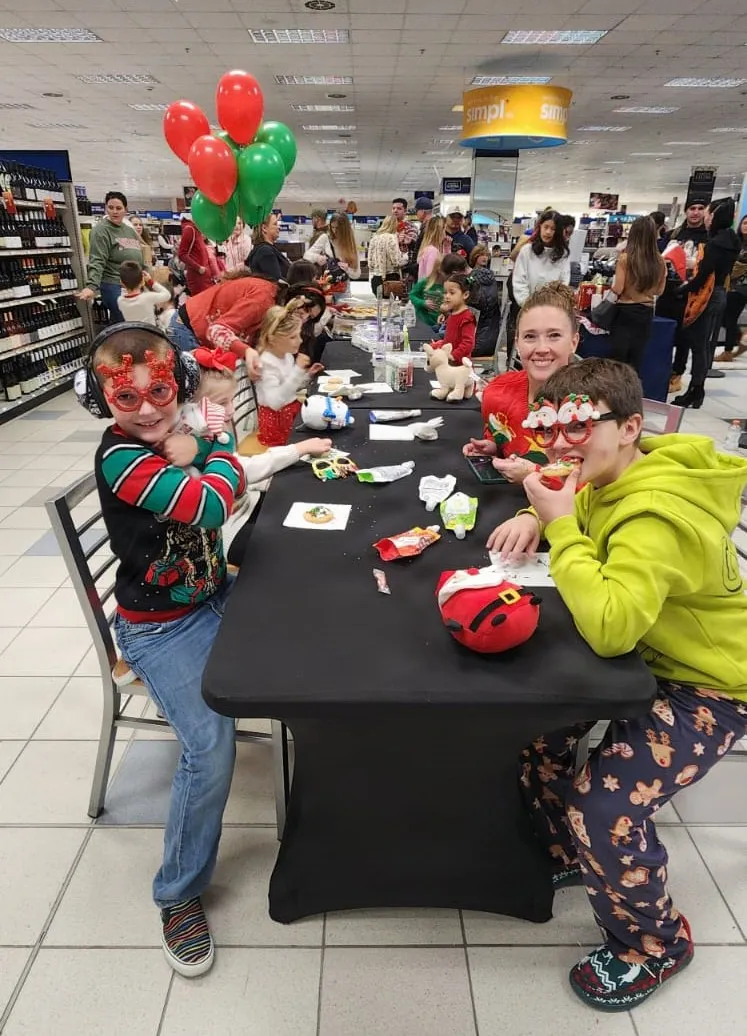
Photo: U.S. Navy NEXCOM by Kristine Sturkie, Public domain, via Wikimedia Commons
Let me start with the accusation, because my friend Megan led with it the moment she walked in: "Okay, whose card did you max out?"
Nobody's. That's the point. My entire holiday party — eight adults, a full cookie exchange, spiced chai, the works — cost me less than the $5.99 "Frosted Cranberry" candle she was holding at Trader Joe's three days earlier. She bought the candle. I bought a party. One of us made a better financial decision, and it wasn't the person whose apartment now smells like artificial cranberry.
The Dhaka Rule I Imported: Nobody Eats Alone
If you've spent any time around Dhaka's street food culture, you know the operating principle: food is a group activity, and the host's job is abundance, not expense. A 70-taka plate at a chotpoti cart isn't one serving — it's a shared event, with extras that appear unbidden because the vendor has already decided you're staying a while.
I decided to run my American holiday party the same way. No individual portions. No "each guest brings a bottle of wine that costs more than my grocery budget" arrangement. Just one big spread, one hot drink station, and cookies as the currency of the evening.
The result was the warmest party I've hosted in years, and the math was frankly embarrassing.
The Receipt, Because You Won't Believe Me Otherwise
Here's the full cost breakdown, itemized like a hostile deposition:
| Item | Cost |
|---|---|
| Flour, sugar, butter (cookie base for ~90 cookies) | $6.40 |
| Eggs, vanilla, baking supplies | $3.10 |
| Seasonal produce: clementines, pomegranate, apples | $5.25 |
| Black tea, whole spices (cinnamon, cardamom, cloves, ginger) | $3.80 |
| Milk for chai (half gallon) | $2.60 |
| Honey and condensed milk for the chai bar | $3.20 |
| Two loaves of day-old bakery bread (for savory toast bites) | $4.00 |
| Cheese, one block, sliced thin | $3.50 |
| Paper napkins, because I'm not an animal | $1.90 |
| Total | $33.75 |
Thirty-three dollars and seventy-five cents. For eight people. That's $4.22 per guest — or roughly what one person pays for a single fancy latte and a tip. In taka terms, we're hovering right around the site's sacred number once you adjust for Dhaka prices, which I choose to interpret as destiny.
For scale, per the printable comparison I taped to my fridge: $33.75 is less than one scented candle plus a greeting card, less than a single holiday movie theater ticket in Manhattan, and roughly one-tenth of what Americans report spending on average for a holiday gathering, according to every budgeting blog I doom-scrolled in November.
The Chai Station Did All the Heavy Lifting
Here's the secret weapon I stole directly from every Dhaka tea stall: the drink is the hospitality. In Dhaka, the chai wallah isn't selling tea so much as a five-minute pause where someone remembers your order. I built a DIY chai station — a big pot of strongly brewed black tea with cardamom, cinnamon, clove, and ginger, plus milk, honey, and condensed milk on the side.
Total cost per cup: about 19 cents. Perceived value per cup: my friend Dev said, and I quote, "This is better than the $7 one from the place with the string lights." The string lights place charges $7 for what is, structurally, the same drink. The spices cost me less than his parking.
Pro tip: simmer the whole spices in the water before adding tea leaves. It fills your apartment with a smell that no $5.99 candle has ever achieved, which Megan confirmed bitterly.
Shared Plates: The Anti-Entertaining Entertaining Strategy
American holiday hosting culture has a branding problem. Somewhere along the way, "hosting" came to mean individual charcuterie boards, signature cocktails with eleven ingredients, and a level of plating that requires tweezers. That's not hospitality — that's theater with a credit card limit.
The Dhaka street cart model is different. One big pot. One pile of plates. Everyone eats at the same time, from the same spread, and the conversation happens because your hands are busy and nobody's photographing their individual portion. I put everything out family-style: a mountain of cookies from the exchange, the clementines and pomegranate seeds in one big bowl, spiced cheese toast still warm, and the chai pot front and center.
Nobody asked what was "assigned" to them. Nobody checked their phone. The pomegranate — arguably the priciest item at $2.50 — disappeared in ninety seconds because shared food has no leftovers.
The Cookie Exchange: A Barter Economy That Already Works
Here's the beautiful part: the cookie exchange itself is the most Dhaka-style tradition America already has. Everybody brings a batch, everybody leaves with an assortment. It's a snack bazaar. It's jhalmuri economics — small individual contributions combining into an abundance nobody could afford alone.
My guests brought everything from classic sugar cookies to something Dev called "gingdoodle" (a gingerbread-snickerdoodle hybrid that has no legal right to be that good). My contribution, made from the flour-sugar-butter base above, was a cardamom shortbread — because if I'm going to run a chai station, the cookies should cooperate with the theme.
The Verdict
Total spend: $33.75. Total guests: eight. Total complaints: zero, unless you count Megan's candle-related resentment. The party ran three hours longer than planned, the chai pot was scraped twice, and I sent everyone home with a mixed dozen.
The lesson isn't really about the money. It's that we've been sold a version of holiday hosting where the invoice grows faster than the joy. Dhaka's street food vendors figured out decades ago that 70 taka buys abundance if you buy smart, cook big, and treat every guest like a regular. Turns out that math converts to dollars just fine.
Next year, I'm adding a second chai pot. Megan's bringing the candle money.