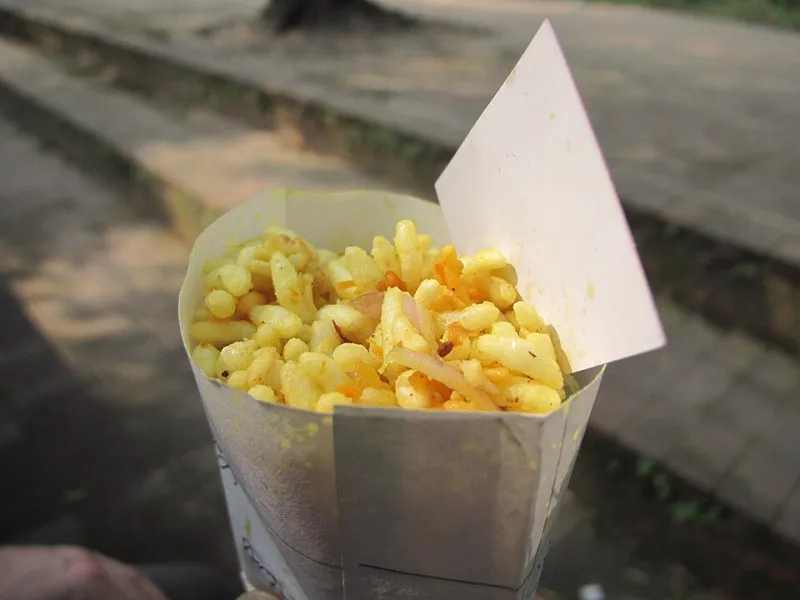
Brooklyn vs. The Bazaar: I Recreated 60-Cent Dhaka Jhalmuri in a $4,000/Month Apartment
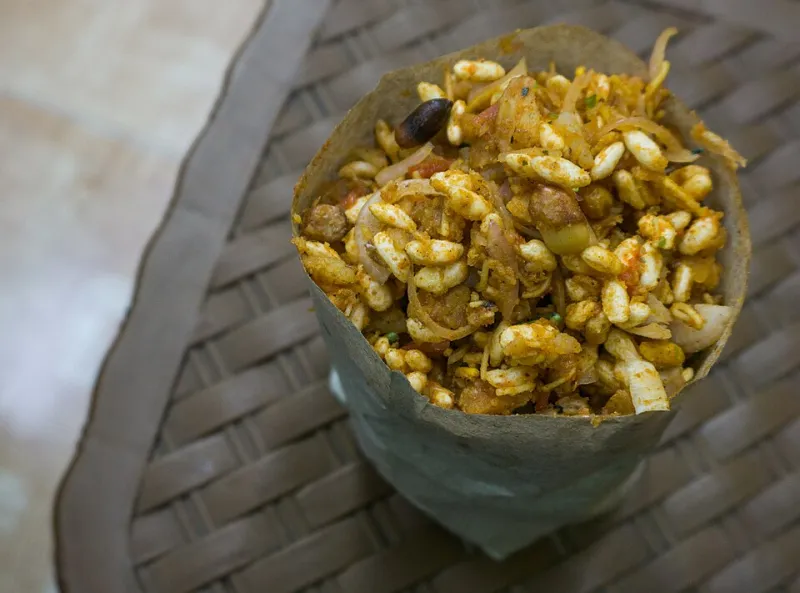
Photo: Sumit Surai, CC BY-SA 4.0, via Wikimedia Commons
My cousin Raju lives in Brooklyn, pays more in rent per month than most Dhaka street vendors earn in a year, and eats lunch at a salad bar that charges by the ounce like it's gold bullion. So when I told him that the greatest snack on Earth costs about 60 cents, he did what any American would do.
He didn't believe me.
"Sixty cents?" he said, holding a $9.50 smoothie. "For food? That you don't grow yourself?"
Challenge accepted. The mission: rebuild Dhaka's iconic jhalmuri in his Brooklyn kitchen using only ingredients from an American grocery store, then run the numbers and see if street magic survives the crossing. Spoiler: it does, but the puffed rice industry in America needs to answer for some things.
The Grocery Run, or: Why Puffed Rice Costs More in Brooklyn Than a Rickshaw Ride in Dhaka
Here's the shopping list, straight from the receipt I've been staring at with existential dread:
- Puffed rice (one bag, "Rice Cereal" aisle, $3.49)
- Sev or crunchy noodle snack (bought at an Indian grocery in Jersey City, $2.99 — more on this later)
- Cucumber, one ($0.79)
- Roma tomatoes, two ($1.10)
- Red onion, one ($0.68)
- Cilantro, one bunch ($1.29)
- Tamarind paste, one jar ($2.49 — this will last you a year)
- Lemon, one ($0.67)
- Green chilies (free, stolen from Raju's roommate's garden... I mean, "sourced locally")
- Chaat masala ($3.99 at the Indian grocery, will also last a year)
Total damage: $16.50. Sounds bad, right? Wrong. Here's where the math gets fun.
The Per-Serving Math That Would Make a Dhaka Vendor Proud
A jar of tamarind paste holds about 15 servings. The chaat masala holds roughly 40. The puffed rice bag alone makes about six generous muri portions. Amortize everything across six servings and you get:
$2.75 per serving.
In taka? About 300. Yes, that's more than 70 taka. No, that's not the point. The point is that the marginal cost — what it costs to make your next batch once you own the pantry staples — drops to about $1.10, or roughly 130 taka. And for my American readers: that's a snack that would cost $14 at any Brooklyn establishment with exposed brick and a slogan.
Compare that to Raju's salad bar, which charges $11.99 a pound for lettuce that has done nothing to earn it.
The Method: 90 Seconds of Chaos
Real jhalmuri is made in a tin cup, shaken with both hands, and handed to you before you finish paying. Here's the Brooklyn adaptation:
- The base. Dump 2 cups of puffed rice into the biggest bowl you own. If your bowl is too small, use a pot. We used a pot.
- The vegetables. Dice cucumber, tomato, and red onion roughly — precision is for people who charge $16 for toast. Throw in a generous handful of chopped cilantro.
- The heat. One green chili, minced, seeds in if you're brave, seeds out if your roommate is from Minnesota.
- The sauce. Mix one tablespoon tamarind paste with two tablespoons water and a teaspoon of sugar. This is your imli chutney stand-in, and honestly, it's shockingly close.
- The seasoning. Half a teaspoon chaat masala, salt, a squeeze of lemon.
- The crunch. Crush a handful of sev on top. This is non-negotiable. If you can't find sev, crushed Fritos work in a pinch, and I will neither confirm nor deny that we used them.
- The shake. Toss everything with your hands. A spoon is legal but spiritually wrong.
Total active time: about four minutes. Raju's DoorDash wait time last Tuesday: 47 minutes.
The Taste Test: Six Skeptical Americans Walk Into a Living Room
Raju's roommates — a grad student, a tech worker, and a guy named Colin who "doesn't do cilantro" — assembled for the verdict.
The grad student ate two servings and asked if it was "legally available in stores." The tech worker compared it favorably to a $12 trail mix. Colin picked out every cilantro leaf, then admitted the remaining bowl was "addictive," which in American means he liked it and will never speak of it again.
The universal note: "It tastes alive." Which is exactly what jhalmuri is supposed to taste like — tangy, sharp, crunchy, chaotic, alive.
Substitution Cheat Sheet for the Diaspora Kitchen
- No Indian grocery nearby? Chaat masala = black salt + cumin + a pinch of amchur if you can find it, or just more lemon.
- Sev emergency? Crushed Fritos, chow mein noodles, or crispy fried onions (the green bean casserole kind, ironically).
- Tamarind paste missing? Lime juice + a pinch of brown sugar gets you 80% of the way.
- Puffed rice alternatives? Rice Chex, honestly. Don't tell anyone I said that.
The Verdict
Can 60-cent street magic survive a $3 American grocery bill? Mostly. The first batch carries the startup cost of a spice pantry; every batch after that gets cheaper and better. What you can't replicate is the tin cup, the afternoon heat, the vendor who remembers your order. That part stays in Dhaka.
But the flavor? That crossed the ocean just fine. Raju now makes jhalmuri every Sunday, and Colin has quietly become a cilantro person. We don't discuss it.
Total cost per serving once the pantry's stocked: about $1.10. Total satisfaction: priceless, but legally we have to say roughly 300 taka.