Seven Dhaka Street Snacks Cheaper Than Your Meal Kit's Shipping Label
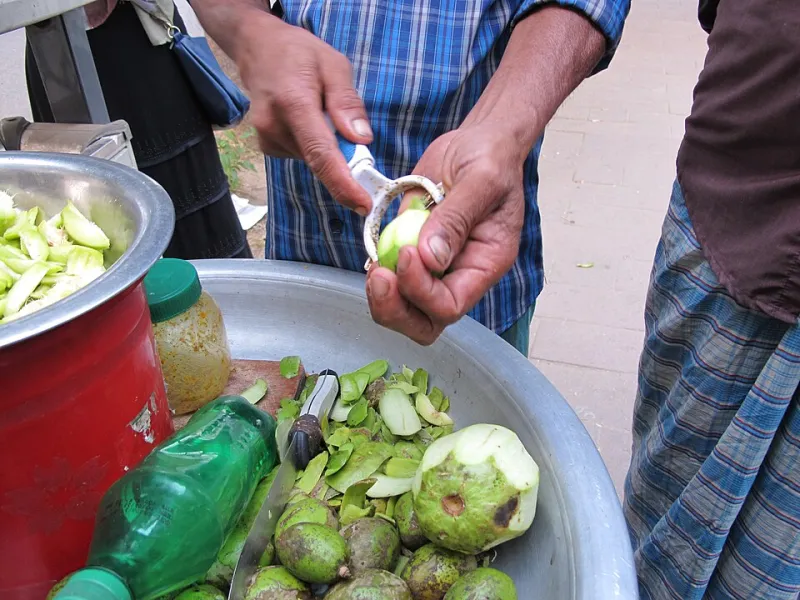
Photo: Kritzolina, CC BY-SA 4.0, via Wikimedia Commons
The shipping-label test
A meal-kit box arrives with ice packs, a recipe card, and a shipping fee that costs more than dinner in Dhaka. I checked a typical US meal-kit plan: the shipping line item is often $9.99. In Dhaka, 70 taka is about 60 cents. That means seven street snacks — yes, seven separate transactions — can still cost less than one shipping label.
This is not a fair fight. It is a delicious one.
The rubric
Each snack gets three scores, 1-5:
- Cost: 5 = 30 taka or less; 1 = 70 taka and up.
- Speed: 5 = handed to you before you finish saying 'bhai'; 1 = you have time to reconsider your life.
- Mess: 1 = tidy; 5 = you need a bib and a therapist. Lower is better for office days, higher is better for stories.
1. Jhalmuri — 20-30 taka
Puffed rice, mustard oil, onion, chili, chanachur, and a squeeze of lime, mixed in a newspaper cone. Cost: 5. Speed: 5. Mess: 4. Total: 14/15. It is the original grab-and-go bowl, except the bowl is paper and the marketing budget is zero. Flavor: sharp, crunchy, and rude in a good way.
2. Chotpoti — 40-50 taka
Chickpeas, potato, tamarind, chili, and a shower of coriander. Cost: 4. Speed: 4. Mess: 3. Total: 11/15. It is a stew that pretends to be a snack. You will need a spoon and a plan. The vendor will give you both, plus an unsolicited opinion on the weather.
3. Fuchka — 30-40 taka
Crisp shells filled with potato, chickpea, and spiced water. Cost: 5. Speed: 4. Mess: 5. Total: 14/15. This is not finger food. This is a trust exercise. You eat it in one bite or you wear it. The reward is a flavor explosion that makes the risk acceptable.
4. Singara — 10-15 taka
Fried pastry with spiced potato. Cost: 5. Speed: 5. Mess: 2. Total: 12/15. The humble triangle. It costs less than a single sheet of printer paper in some US offices. It is also the best argument against the phrase 'there is no such thing as a free lunch,' because this is basically free.
5. Dal puri — 20-25 taka
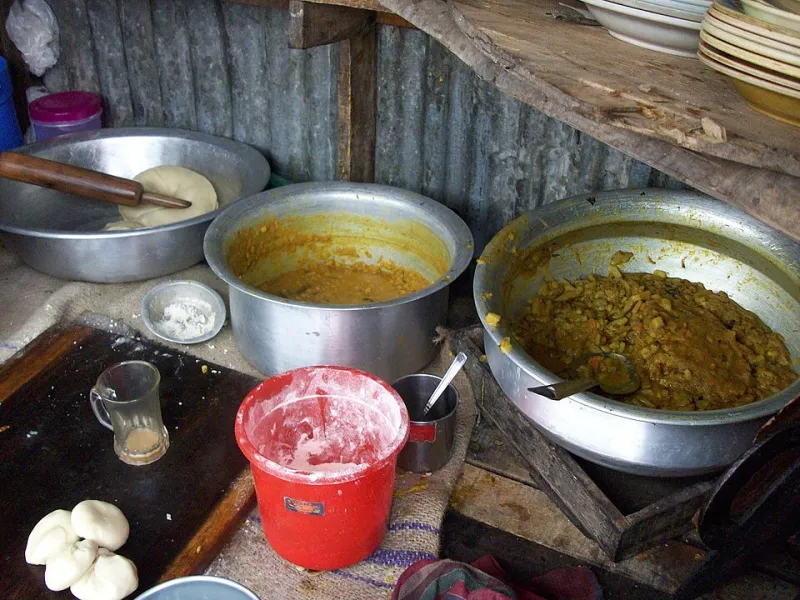
Lentil-stuffed fried bread, usually with a side of dal. Cost: 5. Speed: 4. Mess: 3. Total: 12/15. It is breakfast, lunch, and a personality. The oil content is a feature, not a bug.
6. Dim chop — 20-30 taka
Boiled egg wrapped in potato, battered, and fried. Cost: 5. Speed: 4. Mess: 2. Total: 11/15. It is a scotch egg that went to a Dhaka street cart and learned to relax. The yolk is the prize. The crust is the receipt.
7. Piyaju — 10-15 taka
Lentil fritter with onion and chili. Cost: 5. Speed: 5. Mess: 2. Total: 12/15. Small, crunchy, and dangerous in quantity. Buy three. Regret nothing. Buy five. Regret the oil later.
What US food startups keep getting wrong
Meal kits sell convenience as a subscription. Dhaka carts sell convenience as a transaction. The cart does not need your email. It does not need a box, an ice pack, or a recipe card. It needs a fryer, a stack of paper, and a customer who is hungry now.
The margins are different, sure. But the lesson is simple: convenience is not packaging. Convenience is speed, proximity, and a price that does not require a financing plan. A meal kit's shipping fee could buy seven snacks in Dhaka. That is not a knock on meal kits. It is a reminder that the best food deals are often the ones without a tracking number.
The final score
If you are in Dhaka, start with jhalmuri and end with piyaju. If you are in the US, look at your shipping fee and ask what else it could buy. The answer, in Dhaka, is basically a snack crawl. The answer in your inbox is another promo code.