Bull Market, Bear Taka: My Month on the Puri Trading Floor of Dhaka
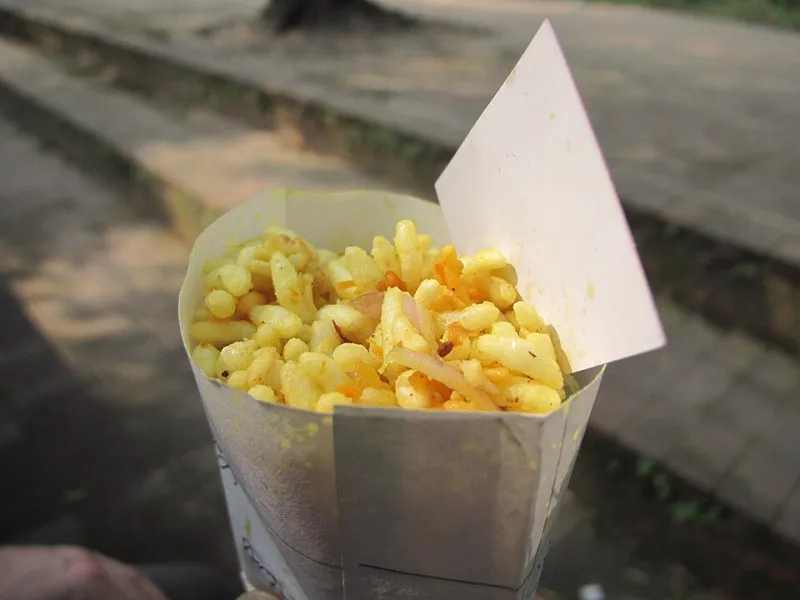
Photo: Kritzolina, CC BY-SA 4.0, via Wikimedia Commons
Somewhere on Wall Street, analysts with economics degrees stare at Bloomberg terminals trying to predict the market. Meanwhile, I spent a month with a spiral notebook and a pencil stub, tracking the price of fried dough across Dhaka. Guess which one of us found an actual pattern.
This is the story of the 70-Taka Stock Exchange — a real, functioning micro-economy where puri prices rise, dip, and correct like any blue-chip stock, while American fast food has exactly one trading strategy: up and to the right, forever.
The Methodology (Or: How To Annoy Every Vendor In Dhaka)
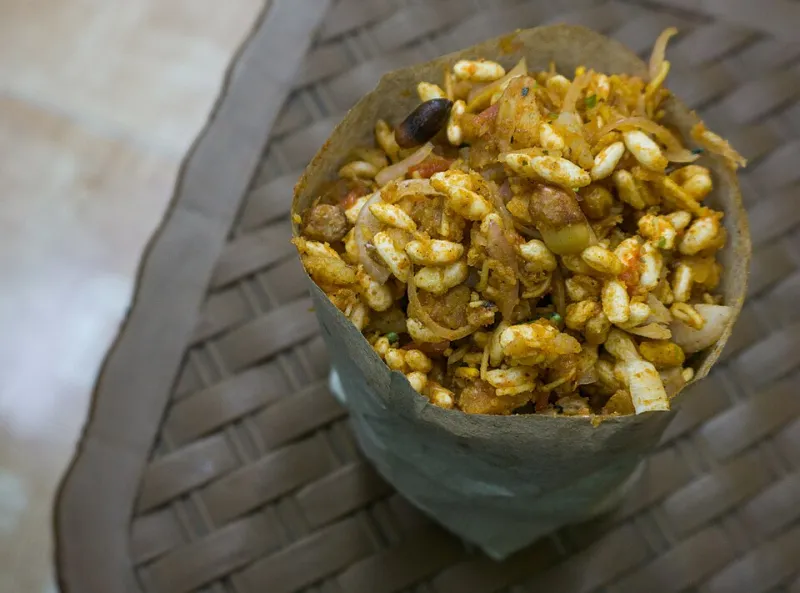
The rules were simple. Twelve neighborhoods. Every day for a month. I logged the price of one puri, one cone of muri, and one cup of cha at three different times of day: morning rush, midday lull, and evening peak.
My notebook became a mess of hand-drawn candlestick charts — little vertical bars with wicks showing the day's high and low for, say, a potato puri in Mohammadpur. To anyone watching me squat on a plastic stool sketching graphs between bites, I looked unwell. To me, I was a floor trader.
The neighborhoods: Mohammadpur, Dhanmondi, Mirpur, Gulistan, Old Dhaka (Lalbagh), Banani, Uttara, Motijheel, Rampura, Badda, Savai Bazar, and one very confused corner of Bashundhara.
Finding #1: There Is A Rain Rally
Here's the thing that would make an American economist drop their latte. On rainy days, prices didn't just go up — they went up predictably.
When the monsoon clouds rolled in, my cha price in Rampura jumped from 10 taka to 15 taka faster than a rideshare surge. Vendors call it what it is: rain tax. But here's the correction — by the third consecutive day of rain, prices often settled back down. Vendors know customers stop haggling on day one but get bold by day three. The market self-corrects.
Try asking Chipotle to lower your burrito because it's been raining. Enjoy the silence.
Finding #2: The 4 PM Dip Is Real
Every finance bro knows about the "lunch lull." Street food in Dhaka runs a similar cycle, and I charted it in my notebook with the pride of a man drawing his first candlestick chart.
Between roughly 3:30 and 5 PM, puri prices dipped in 9 of my 12 neighborhoods — often by 2 to 5 taka. Vendors with unsold stock from the midday batch would rather move inventory at a discount than fry a fresh batch for stragglers. This is textbook end-of-day markdown behavior, except the markdown is applied by a man named Rafiq with a wok and zero marketing degree.
The evening peak, by contrast, ran 10 to 20% above the day's low. Buying puri at 7 PM is buying at market open. Buying at 4 PM is buying the dip. I know which one I did more often.
Finding #3: Neighborhoods Have Personalities (And Volatility)
Gulistan was my tech stock — high volatility, prices swinging based on foot traffic from the bus terminals. Old Dhaka was a municipal bond: rock-steady, 10 taka for cha in the same spot for what I suspect has been decades.
Banani was the luxury index. Same puri, prettier clientele, 20 taka flat, no negotiation, the vendor looking at me like I'd asked to test-drive it. Meanwhile, Badda offered what I can only describe as a flash sale economy — prices moved based on how many office workers had already eaten.
Finding #4: The American Price Chart Is Just A Staircase
Here's where I have to hurt my US readers. I pulled up the price history of a fast-food value menu item from the early 2000s versus today. The line goes up. That's it. That's the chart. No dips. No corrections. No 4 PM discount. Just a staircase of gentle corporate regret.
Dhaka's street food market, by contrast, behaves like an actual market. Supply, demand, weather, time of day, and the personal philosophy of the guy holding the ladle all push prices around. Some days you win. Some days you pay rain tax. But the system is alive in a way a corporate pricing algorithm will never be.
The Portfolio Advice Nobody Asked For
So what's the play? Diversify your snack holdings. Buy cha in the morning when it's cheapest and vendors are superstitiously generous with the first customers. Buy puri at the 4 PM dip. Avoid Gulistan on Fridays unless you enjoy paying peak-hour premiums for the privilege of standing in a crowd.
And if anyone asks why a grown man is drawing wicks and candlesticks in a notebook next to a puri cart, tell them the truth: you're doing technical analysis. The market is fried dough. The bull is you.
Total research budget: under 70 taka a day. Total returns: priceless, plus mild indigestion.