One Dollar, Seven Days: My Week Eating On 70 Taka A Day (And The American Habits It Exposed)
I want to be upfront: this experiment started as a bit. A silly, showy 'watch this writer suffer for content' stunt. Seven days, three meals a day, 70 taka maximum per day — roughly one US dollar. That's the number that gives this site its name, and I figured it was time to live it instead of just writing about it.
By day three, it stopped being a stunt. By day five, it was a lecture. Here's how it went.
The Rules (And Why They Mattered)
The constraints were simple: I couldn't skip meals, I couldn't accept free food, and everything had to be bought at the same prices anyone on the street pays. No raiding my mother's pantry. No 'borrowing' rice from a neighbor who took pity on me. A dollar a day, Dhaka prices, real hunger on the line.
For my American readers: imagine eating breakfast, lunch, and dinner on a dollar. Not per meal. Per day. Sit with that for a second.
Day One: Overconfident And Slightly Hungry
I blew my first day almost immediately. A 30-taka plate of rice and dal from a local kitchen, plus a 15-taka egg, plus tea, plus — because I have no self-control — a 10-taka jhalmuri snack. I hit my limit by 4 p.m. and spent the evening chewing on the concept of consequences.
Lesson one: budgeting calories is a skill, and I did not have it.
Days Two Through Four: The Rice Economy
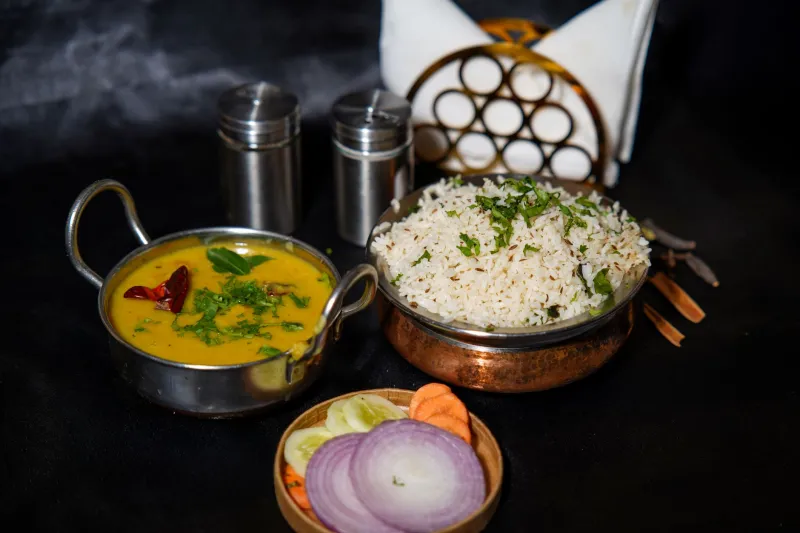
Recalibrated, I got strategic. Rice bought in bulk from the market works out to almost nothing per meal. Dal — lentils — became my protein backbone: a big pot costs maybe 60 taka and stretches across four or five meals. Add a boiled egg here, some seasonal vegetables there, and suddenly 70 taka covers a full day with change left for cha.
The humble discoveries: tea vendors will sell you a cup for 10 taka that contains more comfort than a $7 latte. A single banana can be dessert. And hunger, it turns out, makes plain rice taste like a deliberate choice rather than a punishment.
Days Five Through Seven: Something Shifted
Here's where it gets less funny and more honest. By the final stretch, I wasn't thinking about food constantly — I'd adapted. Portions were smaller but intentional. Nothing was wasted, not a grain of rice, because waste had a price I could feel directly.
And that's when the comparison to American food culture stopped being flattering. The average US household throws away roughly a third of its food. Portion sizes at American restaurants could feed me for two days on this budget. Convenience culture has convinced us that paying a 300% markup to avoid twenty minutes of cooking is 'self-care.'
I'm not romanticizing scarcity — food insecurity is real and brutal, in both countries. But there's a difference between having no choice and never questioning the defaults. Dhaka's street-level food economy is built on ingenuity: stretching ingredients, sharing plates, treating every taka like it matters because it does.
The Scorecard
- Total spent: 490 taka (about $4.10) for the week
- Meals eaten: 21
- Weight lost: modest, and I don't recommend it as a diet plan
- Biggest surprise: how quickly waste felt personal
What I'd Tell My American Friends
You don't need to eat for a dollar a day. But try this: cook one pot of lentils and rice this week. Total cost, maybe $4. It'll feed you three times. Notice how it feels to make food stretch instead of making your budget stretch.
The 70 taka life taught me that value isn't about spending less — it's about wasting less and tasting more. Sixty cents buys a full day of flavor in Dhaka. Imagine what that mindset could do to your grocery bill.