Gatecrashing Gracefully: My Accidentally Attended Third Cousin's Wedding Cost Me 85 Taka and Gained Me Four Pounds
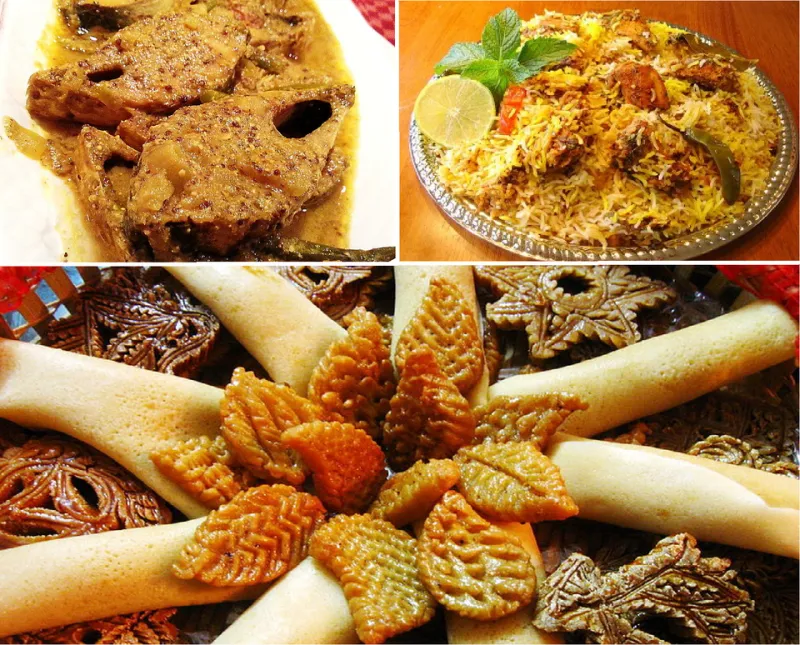
Photo: Mohammed Tawsif Salam and Jayzain, CC BY-SA 3.0, via Wikimedia Commons
Let me be clear from the top: I did not plan this. I was walking past a community center in Mohammadpur, heard music, saw a marquee, and followed my nose the way any self-respecting budget food writer would. Ten minutes later I was holding a plate of kacchi biryani that would cost $28 at a Texas fusion restaurant, and a kind auntie I had never met was insisting I take seconds.
The total damage to the host, once you divide the catering bill by the guest count? Somewhere in the neighborhood of 60-70 taka per plate. That's it. That's the whole headline. Less than a dollar for a meal that, in America, comes with a line item on the wedding invoice and a minor argument between the in-laws.
The American Wedding Buffet Is a Financial Crime Scene
I checked. The average per-guest catering cost at a US wedding hovers around $40, before you add the open bar, the cake cutting fee (yes, that's a real fee), and the mysterious 'plating charge' that exists solely to make your $40 chicken look like it costs $60. You are paying forty dollars to eat a breast of chicken that spent three hours under a heat lamp dreaming of better things.
Meanwhile, at a Dhaka dholai or community milad, the host feeds hundreds — sometimes thousands — for a per-plate cost that wouldn't buy you a bag of airport pretzels in Ohio. The kacchi is real kacchi. The borhani is homemade. The firni comes in a clay pot and tastes like someone's grandmother has opinions about cardamom.
How? Volume, community labor, and the fact that nobody in the supply chain is charging a 'plating fee.' The cook has made this dish two hundred times. The uncle supervising the rice is unpaid and extremely invested. There is no middleman. There is barely any margin. It is the most efficient food operation in South Asia and nobody is writing a case study about it.
A Dish-by-Dish Value Ranking (Host Cost Per Plate)
1. Kacchi Biryani — The Blue Chip. Mutton, aged basmati, a level of marination that suggests patience as a moral virtue. In a US restaurant this alone is a $24 entree. Here it's the centerpiece of a sub-70-taka plate. It's not even fair.
2. Borhani — The Digestif Hedge. Spiced yogurt drink that cuts through the richness of everything else. Zero dollar value in America because it doesn't exist there, which makes it infinitely valuable.
3. Roast Chicken & Polao — The Reliable Mid-Cap. Not flashy. Never lets you down. The index fund of wedding plates.
4. Firni — The Closing Bell. Cold, creamy, rose-scented. A dessert that costs cents and makes you forgive everyone who has ever wronged you.
5. The Salad — The Mutual Fund Ad. Technically present. Nobody's favorite. There for compliance reasons.
The Ethics Sidebar: A Confession and a Protocol
Should you eat at an event you weren't formally invited to? I wrestled with this over my second plate of biryani, which is the correct setting for ethical reflection.
Here is the unwritten social code as I understand it: community feasts — milads, dholai, large weddings in public or semi-public venues — operate on a culture of abundance. Turning people away is considered worse than feeding one extra hungry stranger. The host earns religious and social merit from feeding people. My presence, technically, increased the merit.
Still, the protocol matters:
- Dress like you belong. A pressed shirt signals respect. Flip-flops signal chaos.
- Bring a gift anyway. Flowers, sweets, an envelope. It costs you 100-150 taka and converts you from 'suspicious man near the biryani' to 'guest.'
- Greet the hosts. Say congratulations, say salaam, be a person and not a food-based weather event.
- Never take seconds without being offered. The aunties will offer. They always offer. Trust the aunties.
- Do not photograph the buffet like a tourist. You are a guest. Act like one.
Follow this and nobody will ever question you. Violate it and you will be remembered, and not in the way you want.
The Verdict
Total cost to me: 85 taka gift, zero taka meal, four pounds of permanent personal change. Total cost per plate to the host: under 70 taka for a spread that would trigger a small-claims dispute at an American banquet hall.
The takeaway for my US readers: the next time you're handed a $52 plate of lukewarm salmon at a wedding in New Jersey, close your eyes and imagine Mohammadpur. Imagine abundance without an invoice. Imagine firni in a clay pot.
Then tip your server anyway. We're working on America, one banquet at a time.