No App, No Points, No Problem: The Fuchka Stand's Masterclass in Keeping Customers Forever
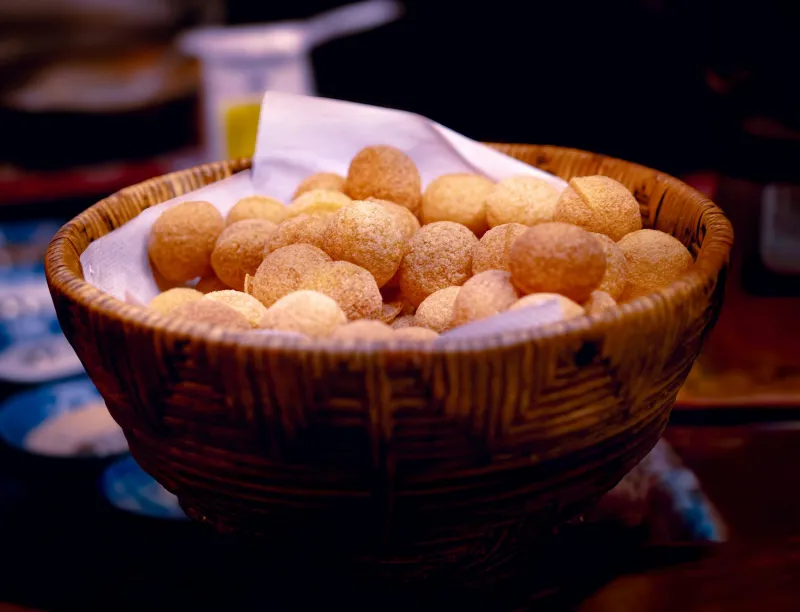
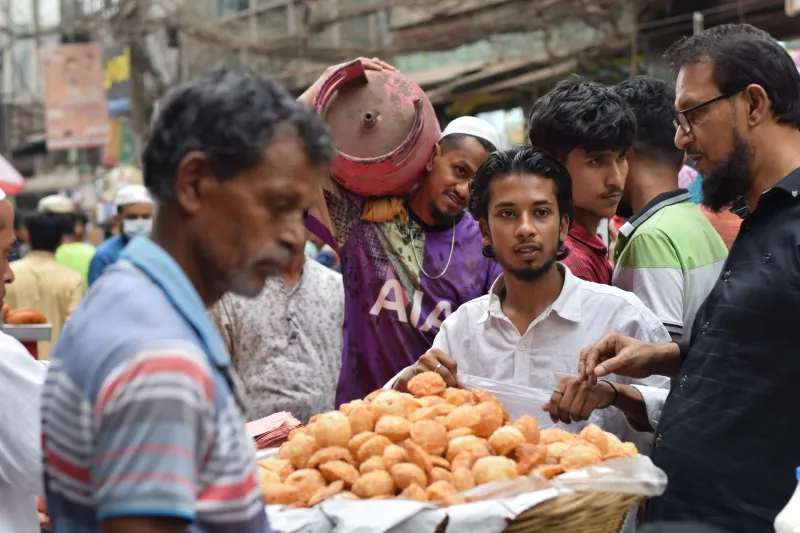
There's a moment that happens at every good fuchka stand in Dhaka, and American MBA programs should honestly study it under a microscope.
You finish your sixth fuchka. The vendor — let's call him Bhai, because everyone calls him Bhai — looks at you, tilts his head slightly, and hands you a seventh one you didn't order. "On the house," his expression says, except nothing is said at all, because the transaction was understood the moment you walked up.
Total cost to Bhai: maybe 4 taka. Total effect on you: you're now a customer for life, you've told three coworkers, and you're drafting a blog post about him in your head.
Now compare that to the American loyalty experience, which I have recently re-experienced and would like to file a complaint about.
The App Store Is a Graveyard of Broken Promises
Here's how loyalty works at a major US fast food chain: you download an app that takes up more storage than your photos. You create an account, surrender your email, your birthday, and — let's be honest — your dignity. You accumulate points at a rate that suggests the rewards were calculated during a recession. Eventually you "earn" a free sandwich that requires a $4 add-on purchase to redeem.
The chain calls this a loyalty program. I call it a tax on optimism.
And the numbers are wild: US companies pour billions annually into loyalty technology, gamification consultants, and "member-exclusive" deals that are just regular prices wearing a party hat. Meanwhile, Bhai is running the most effective retention program in the food industry from a wooden cart with no electricity, no database, and no idea what "customer churn" means — because his customers don't churn. They nest.
Memory Is the Original CRM
The first pillar of the fuchka playbook is memory, and it costs exactly nothing.
Show up twice, and Bhai remembers you like your filling extra spicy. Show up three times, and he's already scooping before you finish saying what you want. There is no "would you like to customize your order" screen. There is a human being who simply knows.
In America, this experience has been monetized, segmented, and A/B tested into oblivion. The barista who remembers your name is now a marketing case study. The vendor who remembers your order is just... Tuesday. It's not a feature. It's the whole product.
Psychologists call the effect behind this the "mere exposure" phenomenon wearing a nicer outfit — repeated positive personal interactions build attachment that no punch card can replicate. When someone remembers you, you're not a transaction anymore. You're a regular. And regulars don't comparison shop.
The Free Seventh Fuchka Is a Business Model
The second pillar is strategic generosity — the unsolicited extra.
American chains give you freebies too, but they're always earned: buy nine, get one free, redeem before expiration, some restrictions apply. The generosity is invoiced. You can smell the accounting department on it.
Bhai's extra fuchka arrives with no ledger attached. It might come today, it might come next week, it might never come — which is exactly why it works. Behavioral economists call this "variable reward," and it's the same dopamine trick that makes slot machines profitable. The difference is that Bhai runs it on you for 4 taka and Caesar's Palace needs a building the size of an airport.
And here's the kicker: the extra fuchka almost always comes when a new customer is watching. Bhai isn't just retaining you. He's advertising through you. Your delight is his billboard, and it cost less than a cent.
Ritual Beats Rewards
The third pillar is ritual — the standing appointment.
Every fuchka stand develops a congregation. The 5 p.m. office crowd. The after-tuition students. The couple who shows up every Thursday and pretends they're "just in the area." These aren't customers; they're a calendar event with tamarind water.
US chains try to manufacture this with "Taco Tuesday" and limited-time menu items, but manufactured ritual is like manufactured laughter: technically the same sound, spiritually hollow. Real ritual emerges on its own when a place is consistent, cheap, and warm. You cannot app-push your way into someone's Thursday.
Value Is a Feeling, Not a Spreadsheet
Here's the uncomfortable lesson for anyone who's ever sat in a strategy meeting about "customer lifetime value": Bhai's customers don't do that math. They don't know their points balance. They don't get push notifications.
They come back because showing up feels like being greeted, eating feels like being known, and the whole experience costs less than 70 taka — a price so low it removes all skepticism and leaves only appetite.
American chains have the data. They have the apps, the dashboards, the retention funnels. What they keep failing to buy is the one thing Bhai has in unlimited supply: the feeling that the person selling you food is genuinely glad you showed up.
You can't A/B test that. But you can hand someone a seventh fuchka and watch them become loyal forever.
Some of the best business advice in Dhaka is served on a leaf plate, six pieces at a time, for less than fifty cents.