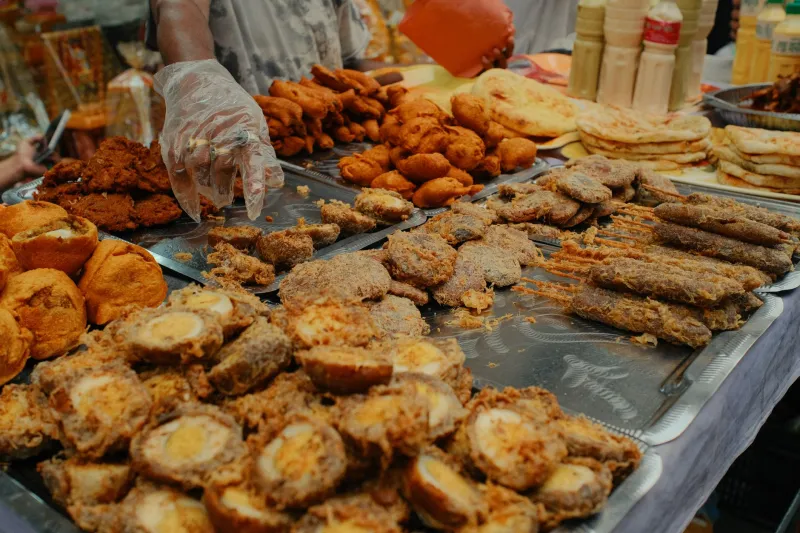
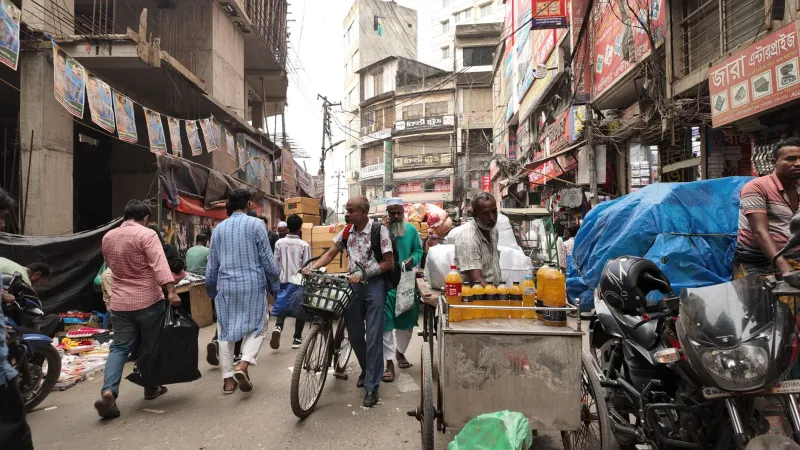
Charging Surge, Eating Steady: Why Dhaka's Chotpoti Carts Out-Price Uber Every Single Time
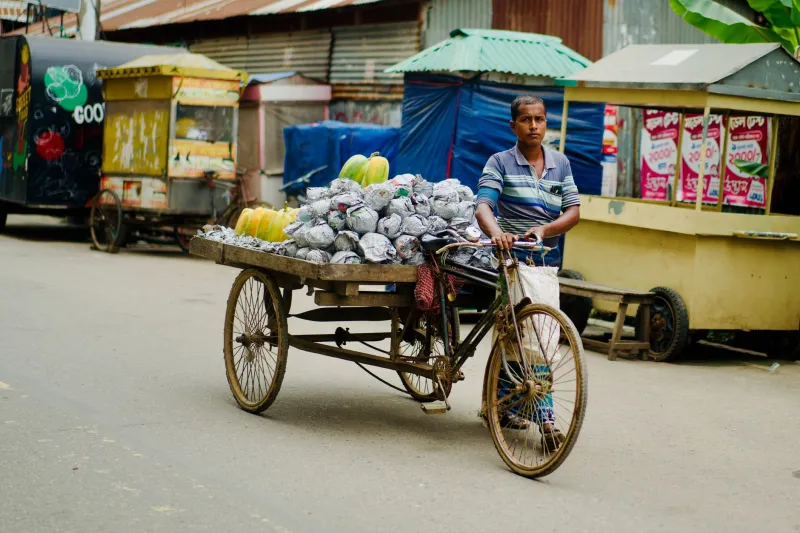
There's a special kind of rage that comes from watching your Uber fare jump from $18 to $47 because it started drizzling. Americans have accepted dynamic pricing as a fact of modern life — concerts, flights, burritos, even parking. We've been trained to believe that the price of a thing should fluctuate based on how badly we want it.
Then you land in Dhaka, order a plate of chotpoti at 9 p.m. from a cart that's been mobbed since noon, and the vendor charges you exactly what he charged the guy in front of you. Thirty taka. Same as yesterday. Same as last Eid, probably.
Welcome to the last honest market on Earth.
The 11 A.M. Cart vs. The 9 P.M. Cart: A Field Study
I spent a week doing something I can only describe as "street food accounting": visiting the same five vendors in Dhaka's Mirpur and TSC areas at different hours, notebook in hand, wallet tragically light.
The chotpoti cart outside the university? Same price at 11 a.m. and 9 p.m. The fuchka lady near the lake? Same. The puri wallah who could sell his inventory twice over during evening rush? You already know.
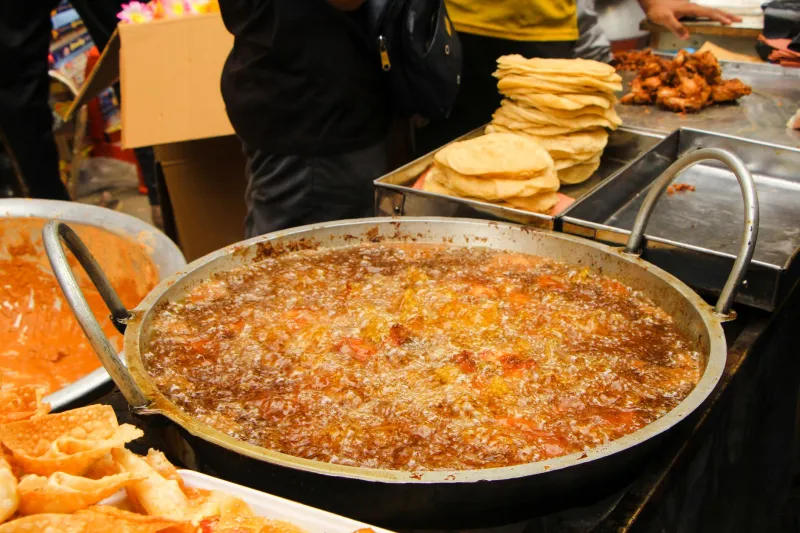
In a rational surge-pricing world, that evening puri should cost triple. Demand is up, supply is finite, the crowd is desperate. Instead, the vendor just works faster. He adds a second frying station. His nephew shows up to help. The supply side flexes, not the price tag.
This is the part that broke my American brain: in Dhaka, when demand spikes, effort increases. In America, when demand spikes, your bill does.
The Great American Price Gaslight
Let's be honest about what we've normalized back home. Ticketmaster openly admits prices move with demand — they even branded it "Platinum Tickets," which is like calling a tollbooth a "Freedom Gate." Uber's surge multiplier once hit 9.9x during a New Year's Eve. That's not pricing. That's a hostage negotiation with a progress bar.
Even restaurants got in on it. Wendy's floated "dynamic pricing" on burgers in 2024. The public backlash was swift, but let's not pretend the apps didn't win — they just renamed it. "Peak pricing." "Demand-based rates." "Limited-time menu adjustments."
Meanwhile, a Dhaka vendor will hand you extra achar because you showed up hungry and he noticed. Try getting noticed by an algorithm.
The Vendor's Unwritten Rulebook
After my week of price-watching, I can report the actual rules of Dhaka street food economics:
- The price is the price. It changes maybe once a year, when potato costs go up, and everyone grumbles together like a family.
- Quantity flexes, not price. A slow afternoon means a slightly heavier plate. That's the vendor's surge pricing — in your favor.
- Regulars pay the same as tourists. Maybe the tourist gets charged 5 taka more, max. Compare that to the markup on a Times Square hot dog.
- Weather changes the crowd, never the menu board. Rain in Dhaka is biblical. Imagine if it changed the price of your fuchka. There would be a revolution by sundown.
Fairness Is a Business Model
Here's what American tech founders never seem to grasp: the chotpoti cart operates on a 70-taka daily margin and still thrives, because trust compounds. People come back. People bring friends. The cart that's been there twenty years is a cart that never once asked "what will the market bear?" — it asked "what can my neighbor afford?"
That's not naivety. That's a long game. Surge pricing optimizes for tonight. A fair price optimizes for the next twenty years of customers, plus their kids, plus the kid who'll eventually run the cart.
So the next time your rideshare app doubles because of a light shower, picture a man in Mirpur frying puri in a downpour, selling every last one at the same 10 taka he charged at dawn. One of these systems respects you. The other one has a push notification.
70 Taka Bites does not offer financial advice, but if we did: invest in vendors who keep their prices posted on cardboard.