Black Friday's Real Doorbuster Is a Dhaka Cart at 7 A.M.

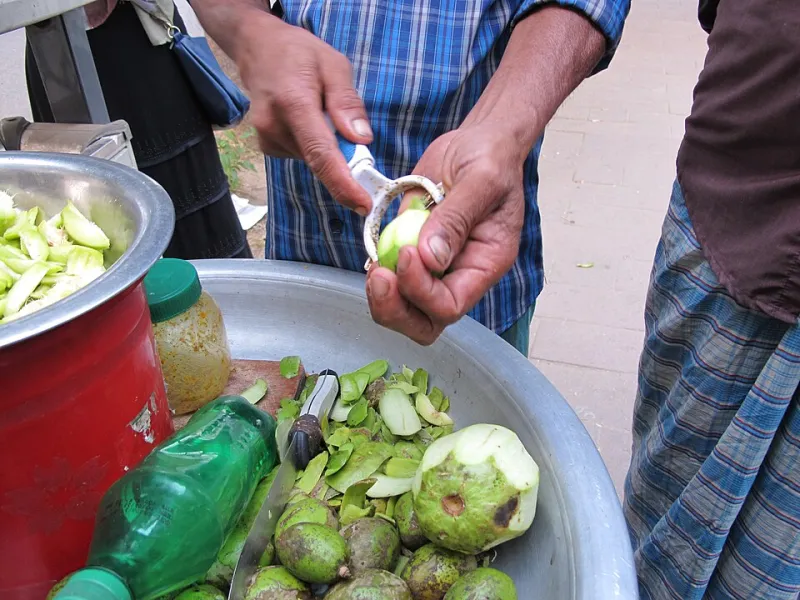
Photo: Dhaka morning snack cart queue chai singara, via images.pexels.com
The countdown timer is a marketing invention
Late November in America means one thing: businesses pretending a discount is a moral emergency. Black Friday food deals arrive with countdown timers, app-only codes, and the phrase 'while supplies last,' which is retail for 'we made twelve.' You wake up at 4 a.m. to save $3 on a breakfast sandwich and spend $11 on gas. You stand in a line behind a man in a folding chair. You call this a deal.
In Dhaka, the doorbuster is called Thursday. Also Friday. Also every morning. A cart opens, the oil heats, the chai boils, and a plate costs 70 taka. No app. No membership. No queue that looks like a concert for a band you do not like. The only countdown is the dal running out.
The mock flyer
BLACK FRIDAY EVERY FRIDAY (AND EVERY OTHER DAY) Rahim's Morning Cart — Gate 3, Near the Bottle Shop DOORBUSTER: Chai + Singara + Dal Puri — 70 Taka No app. No membership. No 4 a.m. line. Limit: none. We want you fed. Door opens: 6:45 a.m. Door closes: when the dal runs out. Early bird special: same price. Late bird special: same price. Limited edition: the last singara. It is not more expensive. It is just the last one.
That flyer is a joke, but it is also a business model. The cart does not create scarcity. It creates routine. The vendor does not charge more for a 'limited edition.' He sells what he has until he runs out, then he goes home. The customer does not need a strategy. The customer needs a taka.
What US retailers could learn
1. Consistency beats drama. A 70-taka breakfast every morning is a better deal than a $5 sandwich that exists for four hours on one Friday. Consistency builds trust. Trust builds lines. Lines build revenue. The cart does not need a countdown timer because the customer already knows when to show up.
2. Queue etiquette is a feature. At a Dhaka cart, the queue is loose, loud, and self-regulating. You say what you want, you step aside, you let the person with the crying toddler go first. Nobody is camping out for a waffle iron. The system works because everyone agrees on the same small rules: order fast, pay exact-ish, do not block the fryer.
3. Do not charge more for 'limited.' Scarcity marketing works until people realize they can just eat breakfast tomorrow. Dhaka carts do not sell exclusivity. They sell breakfast. That is a more durable product. A last singara is not a collector's item. It is a singara. It costs the same. You eat it.
4. The price should be the price. No app-only discount. No membership tier. No 'convenience fee.' The sign says 70 taka. You pay 70 taka. The only upsell is 'extra singara?' and that is a question, not a trap.
The psychology of the line
American Black Friday lines are built on anxiety. You are afraid someone else will get the thing. Dhaka cart lines are built on appetite. You are afraid the dal will run out, but you are not afraid of the person ahead of you. You are all in the same small morning together. The vendor knows the regulars. The regulars know the vendor. The transaction takes thirty seconds and leaves no emotional residue.
That is the part US food brands keep missing. They sell convenience but deliver stress. They sell deals but require homework. They sell community but build apps. A Dhaka cart sells a 70-taka plate and accidentally builds a neighborhood.
The real doorbuster
Black Friday food deals are theater. They are designed to make you feel lucky for paying a normal price a few hours earlier than usual. Dhaka's carts are not theater. They are infrastructure. The chai is hot, the singara is fried, and the price is the same on a random Tuesday as it is on the biggest shopping day of the year.
So this Black Friday, skip the brawl. Find the cart that opens every morning. Order the 70-taka plate. Sit on the bench. Watch the city wake up. The doorbuster is not a countdown. It is a routine. And unlike that $5 sandwich, it will be there tomorrow.