Six Friends, One Turkeyless Thursday: The 70-Taka Thanksgiving Experiment
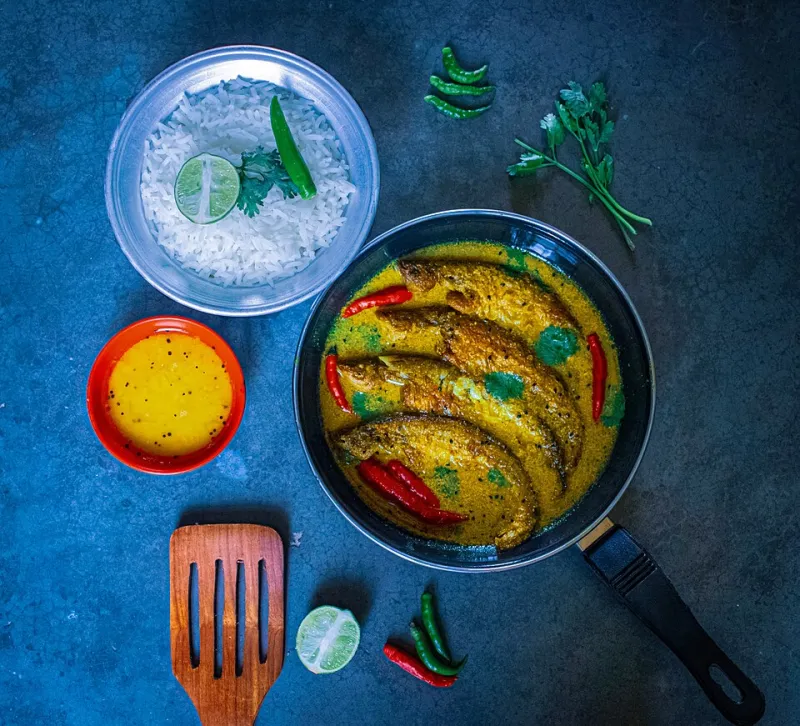
Photo: Sayan Adhikary007, CC BY-SA 4.0, via Wikimedia Commons
Thanksgiving in America is a beautiful holiday built on a slightly horrifying financial premise: that gratitude should cost approximately one car payment. The average American drops somewhere between $200 and $300 on a single meal. For context, that's enough money to eat like royalty in Dhaka for a month, with enough left over to buy a small fan.
So naturally, being a person with a blog deadline and questionable judgment, I decided to test a theory: could I feed six friends a full Thanksgiving-style spread — main, sides, dessert, the works — without a single ingredient crossing the 70-taka line?
The rules were simple. Every item on the shopping list had to cost 70 taka or less. No combining items to sneak past the limit. And the final meal had to be recognizably festive, not just 'dinner with extra steps.'
Here's how it went down.
The Main Event: Chicken, Not Turkey, Don't @ Me
Let's address the drumstick in the room: there is no turkey. Turkeys in Dhaka are roughly as common as snowplows. But chicken? Chicken is everywhere, and a whole bird from the local market ran me about 340 taka — which, divided across my six guests, works out to under 57 taka per person for the protein. That's already within budget before I even turned on the stove.
I marinated it overnight in a paste of garlic, ginger, turmeric, chili, mustard oil, and a very unscientific amount of love. Roasted it with lemons that cost 10 taka each. The skin crisped. The apartment smelled so good that my neighbor knocked on the door 'just to check on me,' which in Dhaka code means 'feed me.'
The Sides: Where the 70-Taka Rule Earns Its Keep
This is where the experiment got fun, because American Thanksgiving sides are secretly the most expensive part of the holiday. A single green bean casserole — one dish! — can run $10 to $15 in a US grocery cart. That's 1,100 to 1,600 taka. For one casserole. I could buy a used bicycle for that.
My sides lineup, each item clocking in under the cap:
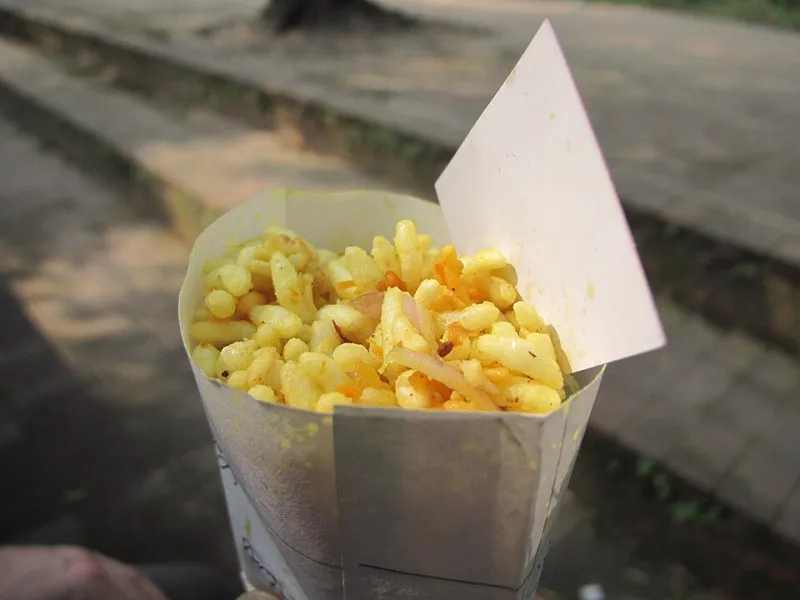
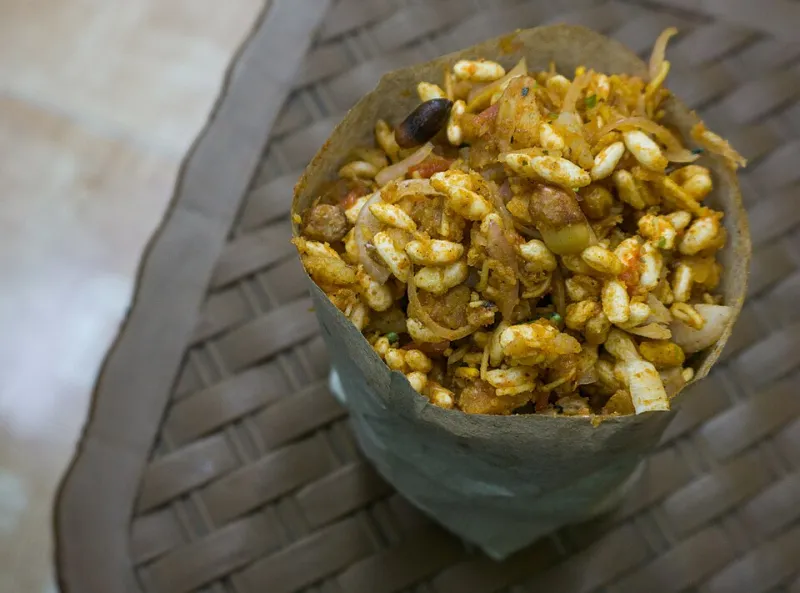
- Jhalmuri-style spiced rice, built from puffed rice, mustard oil, onion, green chili, and tamarind: about 45 taka total, and it vanished from the bowl in ninety seconds.
- Mashed potatoes with a Bangladeshi accent — boiled potatoes, fried onions, green chilies, coriander: roughly 60 taka for a pot big enough to bathe in.
- Roasted seasonal vegetables (papaya, carrots, beans) tossed in oil and salt: 55 taka, and honestly better behaved than any vegetable on a US holiday table.
- A cucumber-onion salad that cost maybe 20 taka and served as the 'something green' my mother would insist on.
- Dal, thick and golden, because it's not a feast in Dhaka without it: 30 taka of lentils feeding six people generously.
Dessert: Payesh, the Unofficial Champion
No Thanksgiving is complete without dessert, and in America that means pie — $8 pies, $12 pies, artisanal $18 pies that judge you silently. My version: payesh, the rice pudding of champions. Milk, rice, sugar, cardamom, a handful of dates. Total damage: about 70 taka, on the nose, serving six with enough left over for the cook's mandatory quality-control bowl.
It's creamy, it's fragrant, and it makes canned pumpkin filling taste like a corporate compromise.
The Receipt: Let's Do the Math
Grand total for feeding six people a festive, multi-dish, dessert-inclusive feast:
- Whole chicken: 340 taka (shared cost, ~57/person)
- Rice and dal: 90 taka
- Vegetables and potatoes: 135 taka
- Spices, oil, aromatics (pantry share): 80 taka
- Milk, sugar, dates for payesh: 70 taka
Total: roughly 715 taka. About $6.
Per person: under 120 taka. Under $1.
One green bean casserole in an American grocery cart costs more than this entire feast. I want that to sink in. The casserole. One. Dish.
What the Experiment Actually Proved
Here's the thing I didn't expect: nobody at that table felt shortchanged. There were seconds. There was a heated argument over the last piece of chicken that I had to referee with a spoon. One friend photographed the payesh and made it his profile picture, which in 2024 is the highest culinary honor that exists.
Abundance, it turns out, is not a price point. It's a table with too much food and too little personal space. American Thanksgiving sells you the former at $300 a pop; Dhaka figured out the latter decades ago for the price of a bus ride.
Would I trade my 70-taka-rule feast for a $300 American spread? Ask me again after the food coma wears off. But my guess is the answer is still no — mostly because I'd rather spend the difference on seven more feasts.
Next year's plan: attempt the whole thing for 50 taka an item. My friends have been warned. They've also asked to be invited. That's the real review.