Free Extras and Remembered Orders: The 70-Taka Hospitality Masterclass America Charges $15 For
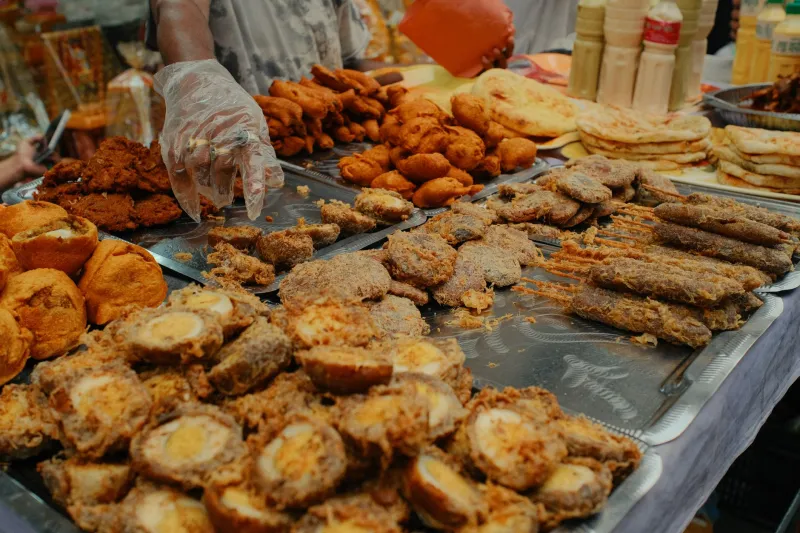
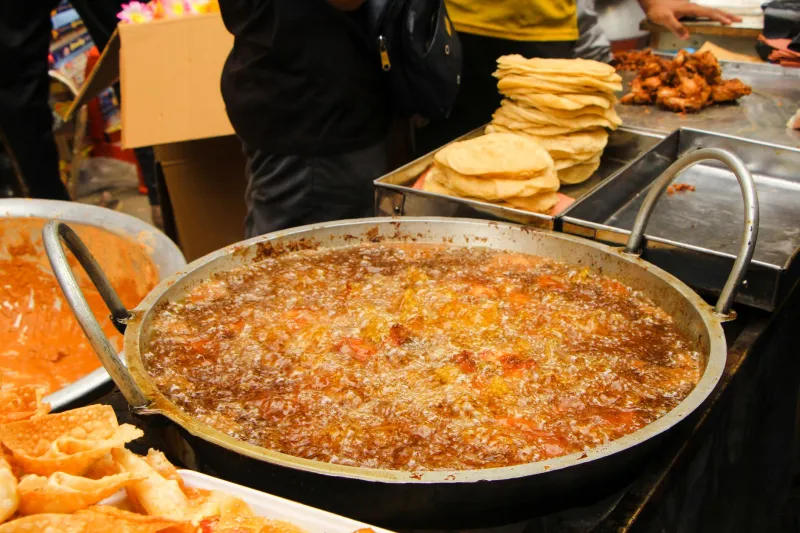
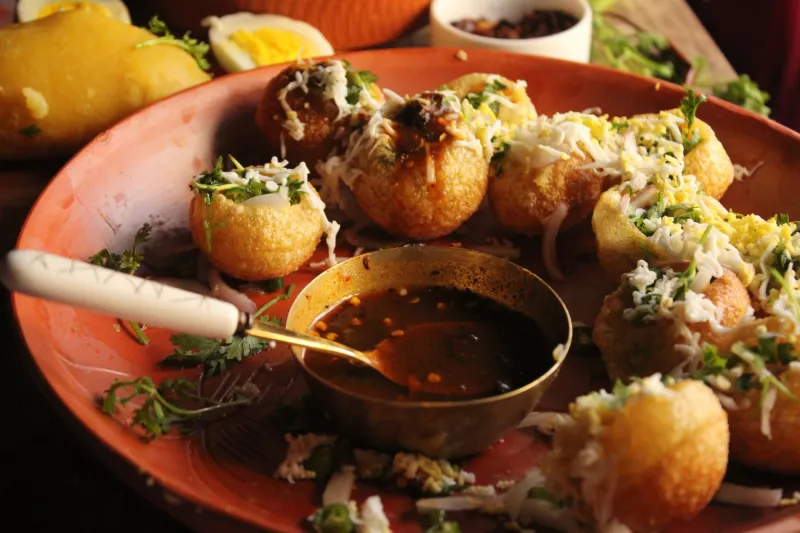
There's a moment that happens at almost every street food cart in Dhaka, and if you're from America, it will break your brain a little. You order a 40-taka plate of fuchka. The vendor hands it over. Then he adds two extra pieces you didn't pay for, waves off your protest, and asks about your mother.
That's it. That's the moment. In the US, that interaction would cost you a 22% service charge and a QR code asking you to rate it.
The Extra Piece Economy
Let me introduce you to the concept I call the extra piece economy. It runs on a simple principle: the cheaper the meal, the more likely something comes free with it.
At a chotpoti cart near my office in Dhaka, the guy — I genuinely don't know his name, which feels criminal given how much of my salary he's saved me — runs a loyalty program that puts American coffee apps to shame. Order his 50-taka chotpoti three days in a row and on day four, he's already ladling it before you reach the cart. Extra tamarind because he noticed you always ask. A boiled egg on the house last Tuesday "because you looked tired."
Fifty taka. Roughly 45 American cents. And this man provided more personalized service than a $15 grain bowl where the only human interaction is someone shouting a first name at a pickup counter.
The $15 Salad Industrial Complex
Now let's talk about the other side, because I recently experienced it and I'm still not over it.
A mid-range salad spot in an American city. Nice lighting, reclaimed wood, a menu where the word "harvest" appears four times. I ordered a salad that cost more than a week of my Dhaka food budget. Then I asked for tap water.
The look I received. My friends, the look. The server's face performed a full emotional arc — surprise, disappointment, quiet resignation — before saying, "Sure, we can do tap," like I'd asked her to personally ruin her afternoon. The water arrived in a glass the size of a thimble. Nobody refilled it. I finished my $15 salad thirstier than I started.
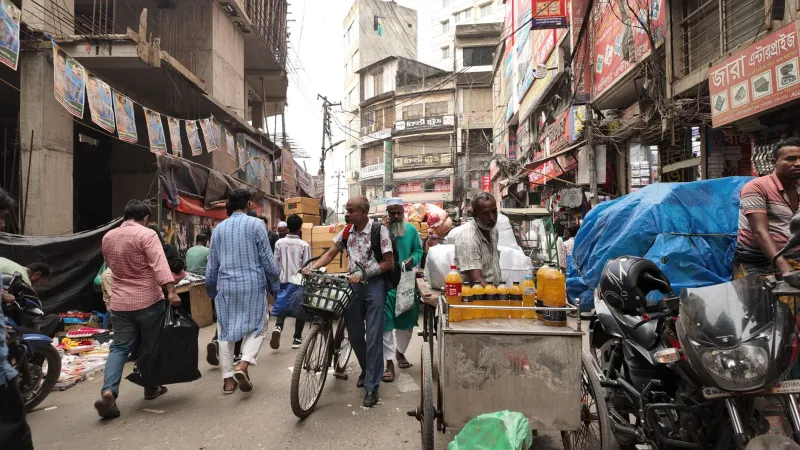
Compare that to any tea stall in Dhaka, where a 10-taka cup of cha comes with a free refill if you linger, unsolicited directions if you look lost, and often a full unsolicited biography of the stall owner's nephew who is studying computer science.
What the Vendors Actually Know
Here's the thing — this isn't just niceness. Dhaka's street vendors understand something that mid-range American dining has engineered out of itself:
Repeat business is the entire business. A cart doesn't have marketing budget. It has memory. The vendor who remembers your spice level is doing what a $200,000 CRM system tries and fails to do.
Generosity is advertising. That extra fuchka costs the vendor maybe two taka. It buys him a customer for life and a glowing recommendation to every coworker within earshot. American restaurants figured out this math with the free bread basket, then decided $15 was the right price point to abandon it.
Hospitality scales down better than it scales up. A stall serving 200 people a day can still know your order. A chain serving 200 people an hour cannot. The 70-taka economy isn't just cheaper — it's structurally more human.
The Guilt Tax
The most insidious part of American mid-range dining is what I've started calling the guilt tax. It's not on the menu, but it's on every bill. Tip guilt. Tap-water guilt. The guilt of asking for modifications, of taking up a table too long, of existing in a space that is subtly charging you rent by the minute.
Dhaka's street stalls charge no guilt tax. Sit as long as you want. Linger over a 20-taka puri and a conversation. The bench belongs to everyone and no one. When you leave, the vendor says ashen abar — come again — and somehow means it in a way no American exit line has ever meant anything.
A Modest Proposal
I'm not saying American servers are bad people. They're trapped in a system where their income depends on performing friendliness while an algorithm shortens their breaks. The guilt isn't theirs; it's structural.
But I am saying this: the next time a vendor in Dhaka hands you something you didn't pay for, recognize it for what it is. Not a rounding error. Not an upsell in disguise. A business philosophy that fits in 70 taka and, apparently, cannot be bought at any price in America.
I'd tip extra, but honestly? He'd probably just give me another boiled egg.